
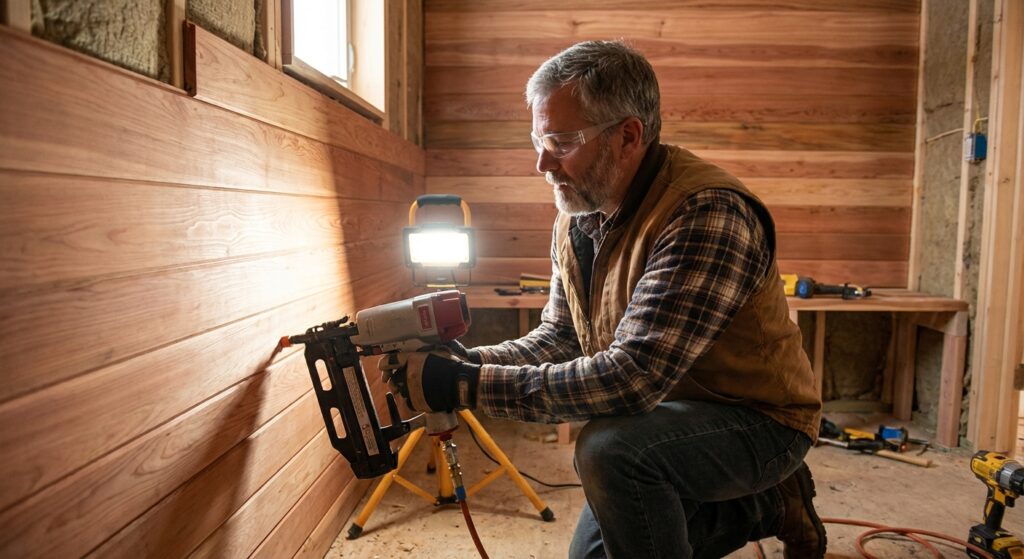
A sauna in Lithuania is not just a building or a room; it is a place of culture, relaxation and socialization, an investment in health and quality of life. It is not surprising that more and more people dream of having their own sauna. However, making this dream come true requires specific knowledge. Although the idea of making a sauna construction of a sauna DIY sounds appealing because of the supposed savings, the reality is often different. Installing a sauna without professional experience can quickly become a series of costly mistakes. Why professionals sauna installation specialists is the best solution to avoid major headaches, save time and, most importantly, ensure durability and safety?
Design and bureaucratic labyrinths: from vision to real project
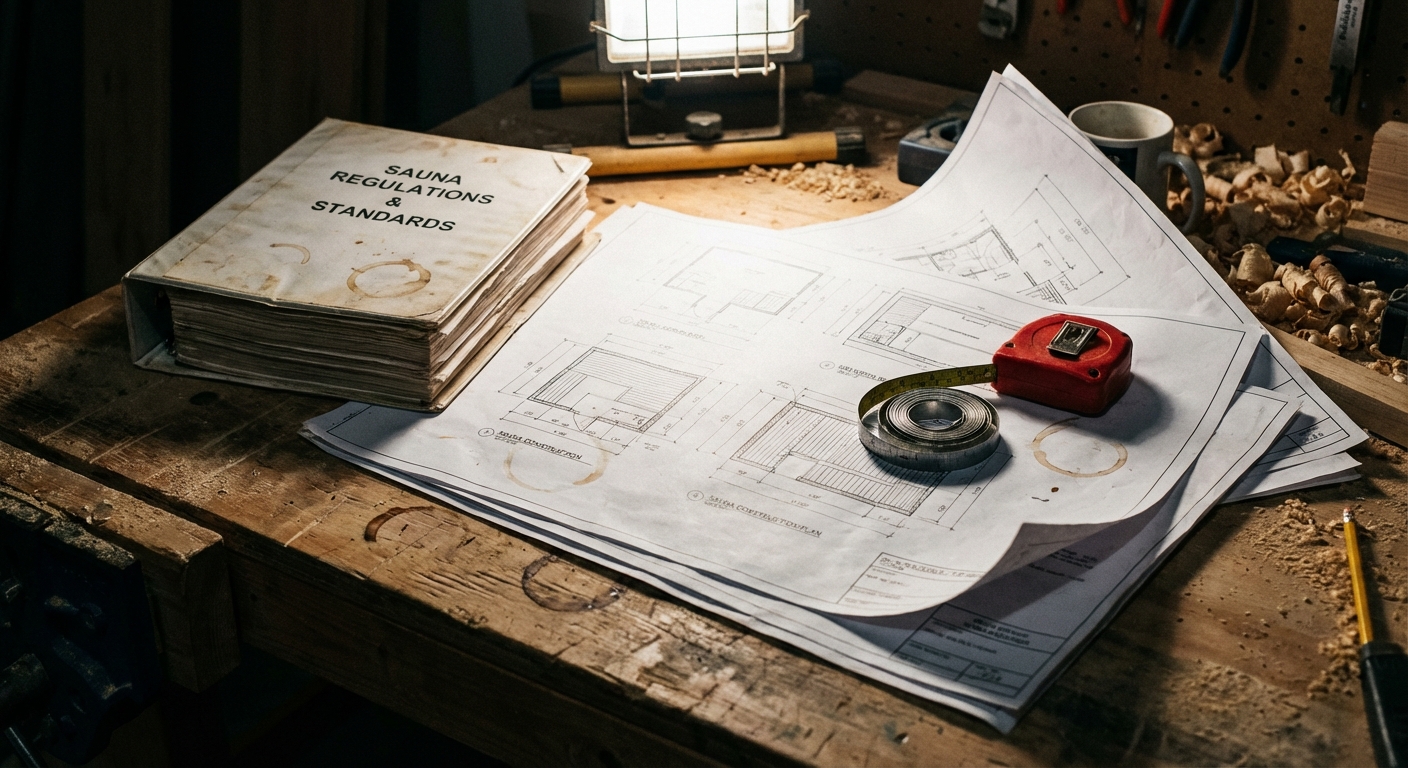
Successful sauna construction starts with a flawless project. Specialists are not only able to transfer your vision into drawings, but also ensure that the project meets strict technical and legal requirements. When designing a sauna yourself, several essential stages are usually skipped, which in the long run causes inconvenience or even forces the entire structure to be redesigned.
Legal requirements and permits
Depending on the size, location and purpose of the sauna, different technical building regulations (STR) may apply to it. Professionals know perfectly well when a building permit is required, what distances must be maintained to the plot boundary or other buildings, and what fire safety standards must be observed. If the sauna is built as a separate building, especially in protected areas, documentation management becomes a complex and lengthy process. Sauna equipmentspecialists takes on this bureaucratic burden, ensuring that all work is legal and completed on time.
Material selection dilemmas
One of the most common mistakes made when building a sauna yourself is choosing the wrong materials. Extreme conditions prevail in a sauna: high heat and high humidity. Standard construction wood or insulation materials simply cannot withstand this load. For example, unsuitable finishing wood (e.g. spruce) can release resin, which not only spoils the aesthetic appearance, but also poses a risk of burns. Specialists recommend only those types of wood (e.g. linden, aspen, black alder) that are resistant to moisture, heat up slowly and are durable. In addition, they know which sealants and adhesives to use so that steam and heat do not damage the structures. Unsuitable materials not only shorten the service life of the sauna, but can also cause mold and fungus problems.
Technical errors affecting safety and efficiency
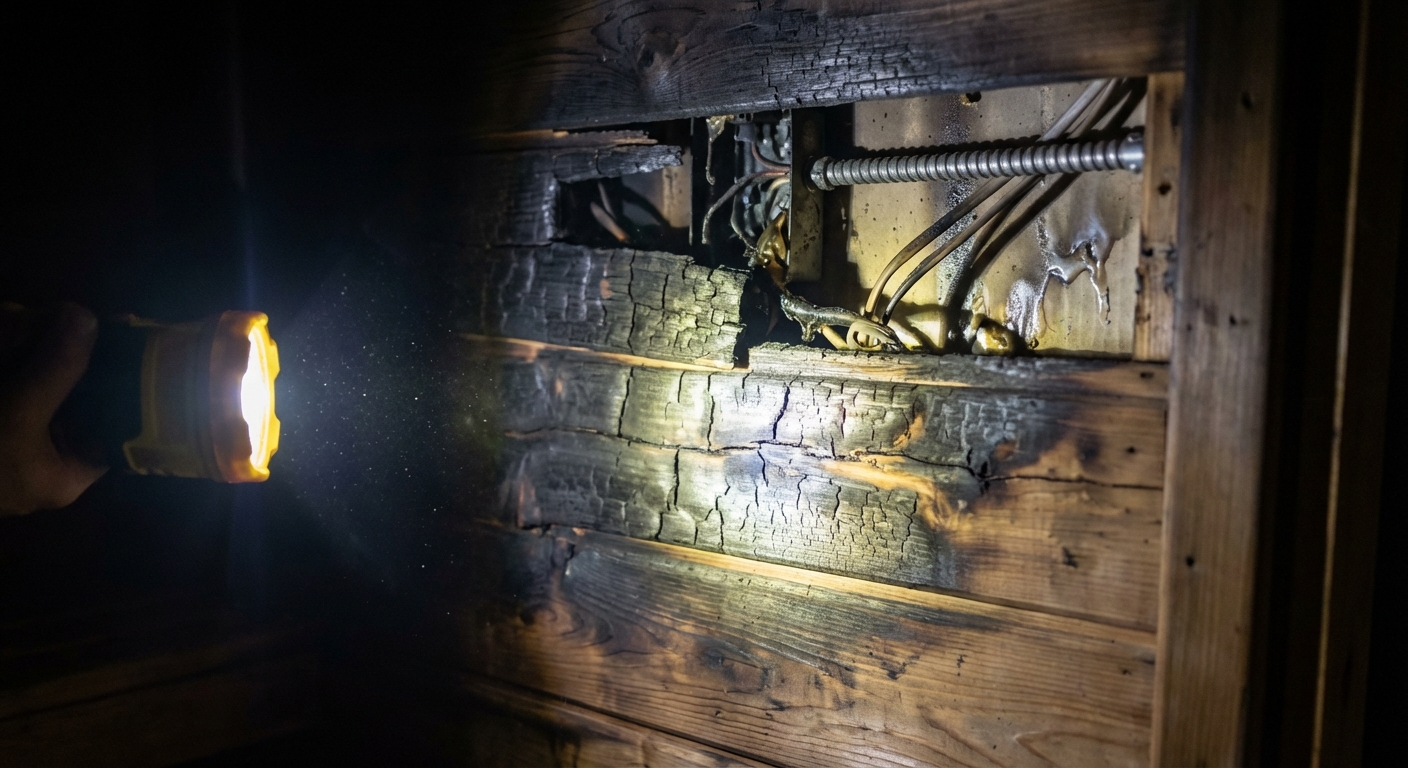
Technical sauna construction is a process that requires precision. Even the smallest mistake can have major consequences, ranging from high energy costs to tragic fire hazards. These aspects are areas where the expertise of specialists is invaluable.
The critical role of ventilation
Ventilation is the "breathing" of a sauna and is perhaps the most underestimated aspect of amateur construction projects. Many believe that simple ventilation holes are sufficient, but proper air movement (circulation) must be ensured in the sauna room, which guarantees:
- Security: Carbon monoxide is removed (relevant for wood-burning saunas).
- Comfort: The air in the sauna does not turn into a heavy and stuffy "mushroom", and good steam quality is maintained.
- Longevity: Prevents moisture accumulation in structures after use.
Specialists use "Kiplast" or "Tylos" (silent air) ventilation schemes, knowing the exact height, location (usually low near the stove and high on the opposite side) and size of the air intake and exhaust vents to achieve maximum efficiency. Incorrectly installed ventilation means a constant fight with cold air near the floor or too rapid cooling of the stove.
Correct electrical installation and fire safety
An electric oven is a powerful device that requires a separate electrical outlet and special protection. Working with electricity in damp and high-temperature rooms is especially dangerous. Professionals know:
- What special, heat-resistant wires and switches to use.
- How to properly protect wires from direct heat.
- How to install fuses and RCDs (residual current devices) to prevent electric shock.
- What safe distances should be maintained between the stove and flammable materials (wooden walls).
It is often mistakenly believed that it is enough to insulate the stove area with simple ceramics or metal. However, specialists use special heat-resistant panels and certified insulation materials, ensuring that heat does not penetrate into wooden structures and does not pose a fire hazard. Regardless of whether a wood-burning or electric sauna is being built, fire safety is a priority that cannot be ignored.
Thermal insulation mistakes – a waste of energy
Qualifiedly performed sauna construction guarantees effective heat retention. However, non-specialists often make mistakes when insulating:
- Improper vapor barrier: Standard film is used instead of aluminum foil or special foil coatings. Standard film melts in the sauna or lets steam through, causing moisture to accumulate inside the walls, causing wood rot and the appearance of cold bridges.
- Imperfect connections: It is important that the aluminum foil is sealed with a special heat-resistant aluminum tape. The smallest gaps allow moisture to penetrate the insulation (usually rock wool), reducing its effectiveness.
- Insufficient air gap: A small air gap must be left between the finished wood and the vapor barrier. Specialists ensure that this air gap acts as an additional insulating layer and prevents the finish from overheating.
These mistakes cause the sauna to take twice as long and require twice as much energy to heat up, which means higher operating costs in the future.
Long-term preservation of investment value
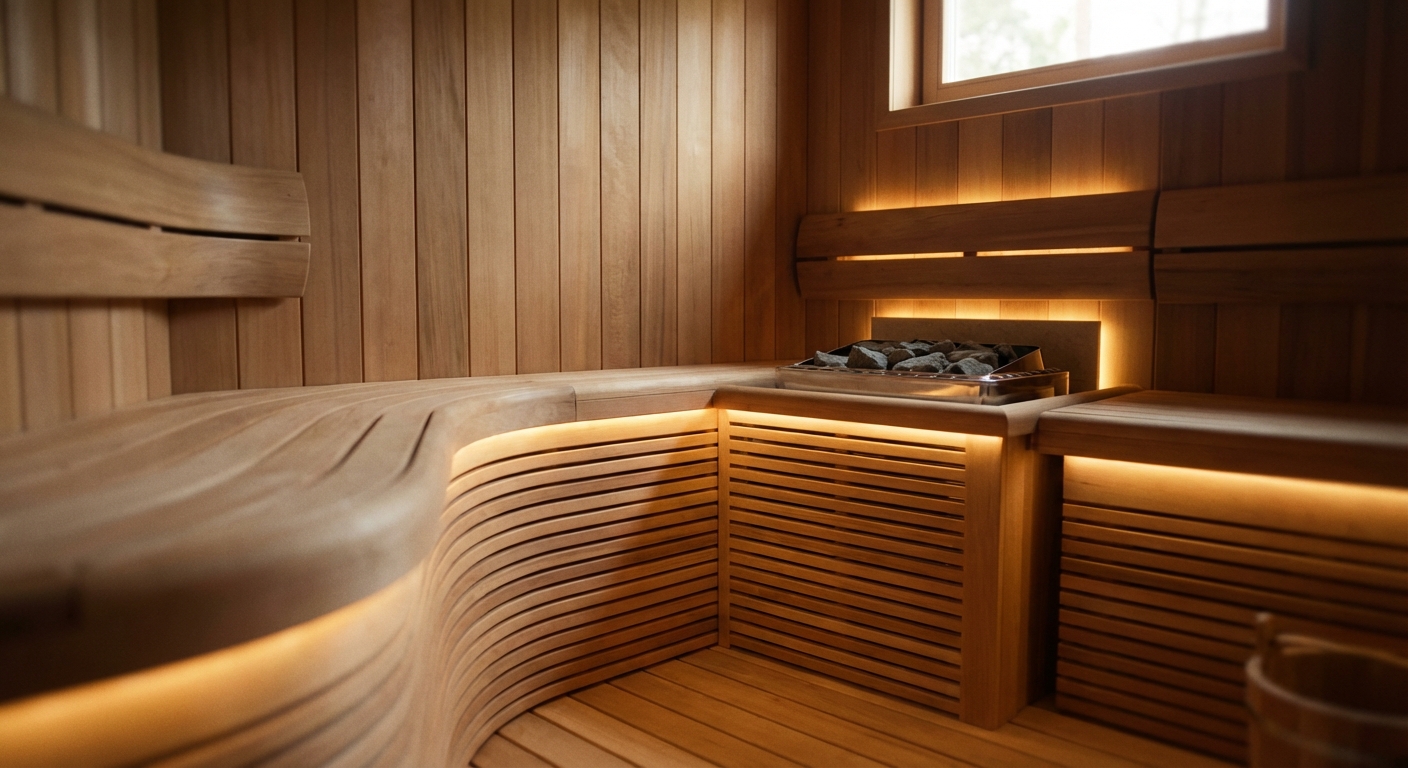
By hiring professionals, you are buying not only labor, but also knowledge, which pays off in the long run through lower repair costs, higher comfort, and increased property value.
Aesthetics and ergonomics – an experience that cannot be bought
Sauna installation specialists have not only technical, but also ergonomic and design knowledge. They know the optimal height of the benches, the distance from the stove, the arrangement of the loungers for comfortable lying, and how to visually and technically hide electrical wires and ventilation openings to create a harmonious and aesthetic look. Details such as lighting solutions (LED strips, hidden lighting, heat-resistant) are essential for creating a cozy and safe environment. A sauna designed and built by professionals looks and functions better, which directly increases the value of a house or farmstead.
Efficiency and operating costs
A professionally installed sauna is efficient. This means that it heats up faster and retains heat longer, using less energy. The annual operating costs of a well-designed sauna can be significantly lower than a self-built one, where heat "leaks" through poorly insulated areas or ventilation systems. Modern sauna construction Technology also allows the integration of smart solutions, such as remote control of the stove, which further increases comfort and efficiency.
Warranty and liability for work performed
One of the biggest advantages of hiring professionals is the warranty. If after two years you notice that the wood is cracking or the ventilation is not working properly, a professional company will take responsibility and fix the defects. When building a sauna yourself, you are responsible for all mistakes, and fixing them often requires dismantling the finish and reinstalling the insulation or even replacing the stove, which is expensive.
How much do mistakes cost?
People often choose the DIY route in an attempt to save between $15 and $25 per year on the total cost. However, experts estimate that the cost of repairing and correcting a poorly installed sauna (repairing poor ventilation, removing mold, rewiring the electrical system) can add up to $50 to $70 per year of the initial investment. In other words, saving upfront leads to significantly higher costs in the future, not to mention the time and stress involved.
For example, an improperly selected vapor barrier can lead to the fact that after a few seasons the wooden structures will begin to rot. To fix this, you will need to remove all the trim, replace the insulation, properly apply the foil and re-finish. This process is long, expensive and completely unnecessary if sauna installation would have been entrusted to those who truly understand the subtleties of sauna physics and construction.
Summary
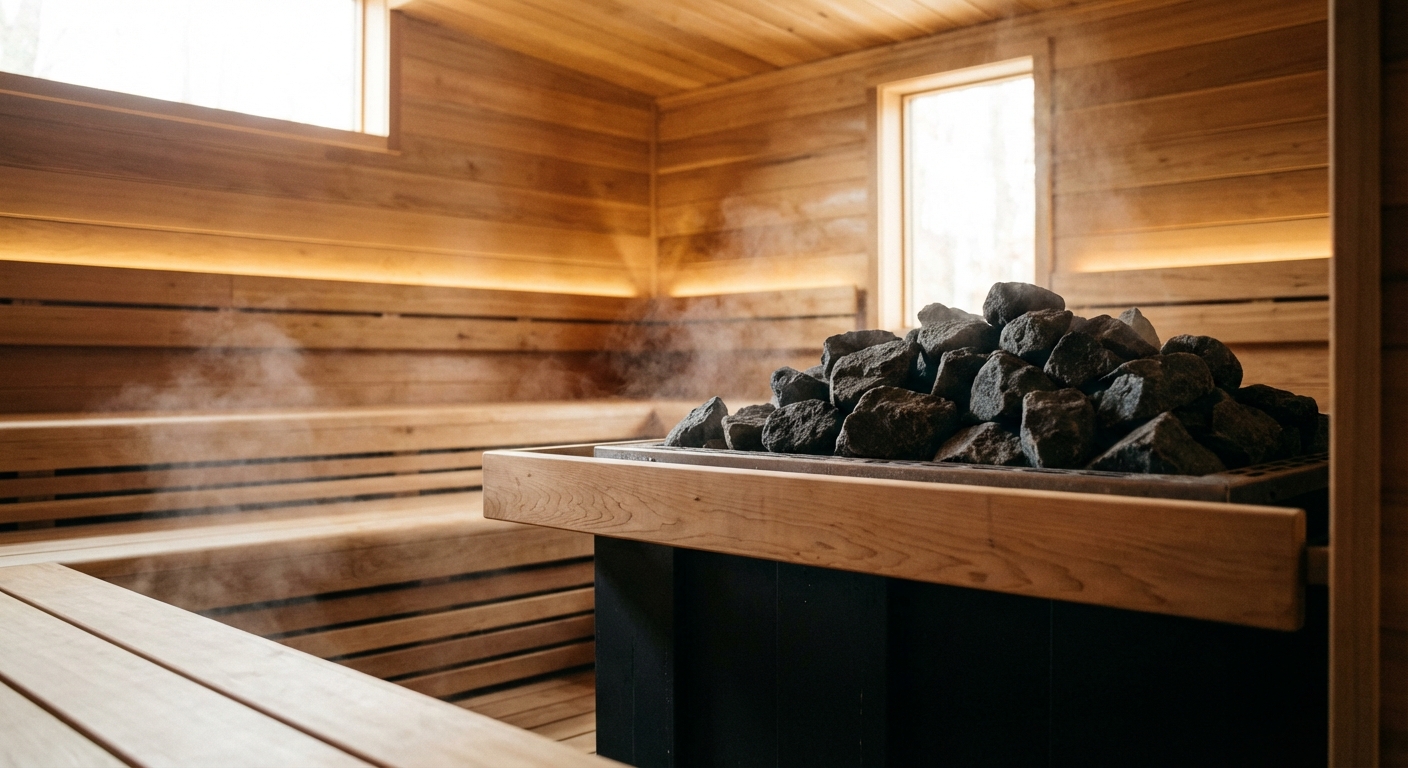
Sauna construction requires specific knowledge of the physics of heat, humidity and air movement. Mistakes in this area not only harm comfort, but also pose a real risk to safety and energy waste. Choosing experienced sauna installation specialists, you are investing in quality, durability, safety and peace of mind. A professional project ensures that the sauna will not only be beautiful, but also functional, will meet all technical requirements, and will provide joy and health for many years without additional, unforeseen investments in repairs. You should not turn fixing mistakes into your hobby - it is better to pay for quality once and forget about worries for a long time.