Information

Sauna – the new meditation

Sauna – the new meditation: conscious practice and spiritual benefits

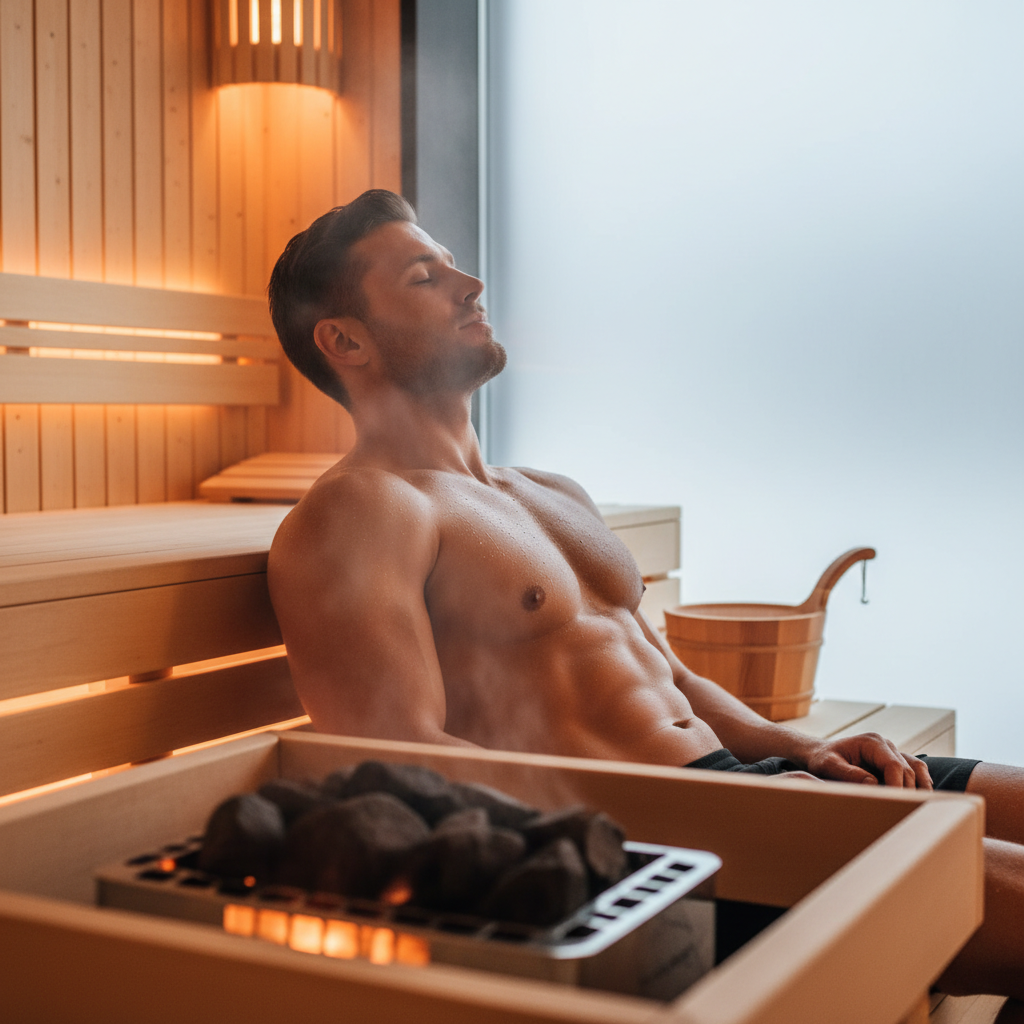
In today’s world, where the pace dictates the rhythm of our lives and constant internet connection strains our nervous system, we seek refuge. We seek a place where we can „switch off“ and „recharge“. Many turn to yoga, meditation or long silent camps, but Lithuanians are increasingly discovering (or perhaps re-remembering) a ritual that has always been at hand: the bathhouse. It is no longer just a means of washing off the dust of the countryside or a place for a Sunday beer with friends. It has become a temple where mindfulness, spiritual peace and deep relaxation are practiced. Can we call the bathhouse the new meditation? All signs point to that. Over the past two decades, we have observed a fundamental change in the way Lithuanians view their heritage – the bathhouse. It has evolved from a simple hygiene procedure to a complex, holistic practice of well-being. In this article, we will delve into how a traditional village ritual became the epicenter of conscious practice, what is the discovery of the spiritual benefits of the sauna, and why the heat of the sauna becomes a great way to practice being here and now. Cultural metamorphosis: from a village washhouse to a SPA oasis The traditional Lithuanian sauna has always had a social and functional meaning. In the past, the sauna was a place to be born, washed, treated, and even guess the future. It was a necessity, not a luxury. However, as society modernized and more convenient plumbing solutions emerged, the sauna could easily have become obsolete. However, the opposite happened. The modern sauna has seen its renaissance, responding to the needs of modern man. Instead of wood-burning, dusty huts, we now often see aesthetically thoughtful, minimalist spaces where every detail is important – from the natural texture of the wood to specially selected essential oils. This transformation signals that the purpose of the sauna has changed: from the cleanliness of the body to the cleanliness of the mind and soul. The concept of the sauna in the past and now in the Old Bathhouse everything was more spontaneous. The temperature, steam and time depended on the mood and the need. Today we are increasingly striving for ritualization. The sauna master (or vanotojė) has become a kind of master of ceremonies, who not only properly vanotojės, but also guides through the sauna ritual, helping to achieve a deeper state of relaxation. This sauna ritual is carefully thought out: starting from the choice of herbs (linden blossoms soothe, oak strengthens) to the period of calm after the vanotojė. It is this attention to detail and intention that has turned the sauna into a place where conscious practice becomes an advantage. The benefits of the sauna are now measured not only in liters of sweat, but also in quality hours spent in silence with oneself. Today, the sauna is an investment in mental health, and not just heat to warm the body. Sauna as a space for mindfulness and meditation Why is a sauna so great for meditation, even though at first glance the heat seems more of a hindrance than a help? Meditation is the ability to focus on the present moment. It is the intense sauna experience that forces the mind to stop the constant cycle of „thinking“ and focus on sensory sensations. Why does heat promote mindfulness? When the body is put in extreme conditions, the mind cannot afford to wander. You cannot think about emails or dinner plans when you feel intense heat, smell the scent of herbs, and your skin reacts to bursts of moisture. The heat of the sauna acts as a forced anchor of attention. During the sauna, there is a very active dialogue between the body and the mind. You feel every hammer blow, every wave of steam. You have to watch your breathing, follow your heart rate, and make a decision whether another minute is bearable. This is pure practical meditation: observing without judgment, just feeling. Such a deep presence in the here and now is the main spiritual benefit of the sauna. Vanajimas – active meditation Vanajimas, especially when performed by a sauna master, is a ritualistic and rhythmic act. The vana, made of deciduous branches (birch, oak, juniper), not only stimulates blood circulation and helps to eliminate toxins, but also plays a key role during conscious practice. The combination of sound, smell and touch turns vanajimas into an active meditation. The rhythm is set by the master: slapping, stroking, pressing. You are completely forced to surrender to that rhythm. Your mind cannot engage in planning, because the body requires full concentration. Birch vanajimas smells of the forest, oak - of the earth. These smells strengthen the connection with nature, which is also an important part of the Lithuanian sauna. When you experience such powerful sensory stimulation, your thoughts naturally calm down, leaving room for peace. Physiological and spiritual detoxification Saunas share their popularity with other forms of detoxification, such as fasting or long yoga sessions. However, the Lithuanian sauna offers a unique combination of physiological and emotional detoxification, which is difficult to achieve with other means. Stress reduction and nervous system calm It has been scientifically proven that heat causes the release of endorphins and serotonin (happiness hormones). But saunas also work through the parasympathetic nervous system – our body’s „brakes“. When intense heat is replaced by cold water (a cold pool, shower or just snow), the body experiences a shock that forces the nervous system to switch over within seconds. This shock we experience is like an „erase“ button. It instantly removes chronic stress, tension and anxiety. A cold shower is followed by a blissful wave of warmth and peace, called the „post-sauna glow“. It is at this moment that the deepest state of relaxation is reached – ideal for discovering spiritual benefits. In addition, in the sauna we are usually forced to give up technology. No smartphones, no noise. Silence is another essential element of meditation. The silence of the sauna allows you to hear your thoughts, recognize them and let them go. This is a true psychological detox. Rituals that help you reconnect with yourself A conscious sauna ritual includes both skin exfoliation and body massage (using honey, salt or natural masks). This is not just a beauty treatment; it is a time when we give ourselves unconditional attention. It is a practice of empathy for ourselves. Conscious practice means feeling every touch, thanking our body for the work it does. Communication is also an important element. Although sauna can be practiced alone, a traditional Lithuanian sauna is a social event. However, even when socializing, the rules change. In the sauna, there is no talk of work or politics. It is about life, feelings, health. This authentic, warm communication in an intimate environment further contributes to the spiritual benefits and strengthening the sense of community. How to bathe consciously: practical tips In order for the sauna to become your new way of meditation, you need to master a few simple but effective rules. The most important thing is to change your attitude: the sauna should be not only an action, but also a state. Preparation is already part of the ritual Conscious practice begins long before you set foot in the steam room. Set a sauna day and stick to it. This means that you need to distance yourself from rushing. Establishing calm: silence and breathing During the sauna, breathing is your main tool for mindfulness. The heat makes you breathe faster and more shallowly, but conscious breathing helps you stay calm and control your body's reaction. When you enter the sauna, take your time. Sit down, close your eyes and focus on your breathing. Inhale through your nose, exhale through your mouth. Let the heat envelop you, observe the feelings without resistance. If thoughts come, acknowledge them and

Sauna – the new meditation: conscious practice and spiritual benefits Read More »
after the sauna

What to do and what not to do after a sauna: 5 golden rules for your health.

A sauna in Lithuania is not just a procedure, it is a ritual with deep meaning, shrouded in traditions, myths and, most importantly, enormous benefits for your health. The heat opens pores, cleanses toxins and relaxes muscles, leaving you feeling as if you have been reborn. However, most people forget that the real benefits are not only obtained in the oven, but also after you finish warming up. It is the rules of what to do after a sauna that determine whether your blood circulation will be harmonized or, on the contrary, you will experience stress. In this detailed article, we will discuss the 5 most common mistakes that even experienced sauna users make and provide a golden plan on how to ensure maximum benefits for your body and heart. If the sauna session was intense, your body temperature rose, blood vessels dilated, and your heart beat faster. The body is vulnerable, and a sudden change in its state, for example, with a cold beer or a jump into icy water, can bring short-term pleasure, but in the long term - seriously harm your health. Read these rules carefully so that each visit to the sauna is a real act of wellness. 5 golden rules: what to do and what not to do after the sauna Mistakes after the sauna may seem insignificant, but they directly affect the work of the heart, blood pressure and the ability to restore fluid balance. By avoiding these mistakes, you will help your body recover most effectively. 1. Mistake: cooling down too suddenly and excessively after the sauna There is no doubt that cold water after the sauna is pleasant, it makes the skin glow and restores energy. However, too sudden a shock can be dangerous, especially if you have problems with your heart or blood pressure. When you are in the heat, your blood vessels dilate (vasodilate) in order to cool down. A sudden cold shock causes a sudden narrowing of the blood vessels (vasoconstriction). This rapid process can cause cardiac arrhythmia, a sharp jump in blood pressure and increase the risk of heart attack in susceptible individuals. What to do right: gradual cooling 2. Mistake: ignoring dehydration and drinking alcohol In a hot sauna, a person can lose 0.5–1.5 liters of fluids per hour, depending on the intensity. This fluid loss, if not compensated, can cause dehydration, headaches, fatigue and even a drop in blood pressure. Unfortunately, one of the most popular mistakes is to replenish a dehydrated body with alcohol. Alcohol is a diuretic – it promotes fluid removal and further increases dehydration, burdening the liver and heart. When the body has already experienced heat stress, alcohol becomes especially dangerous, disrupting thermoregulation and normal recovery. Strictly avoid alcohol for at least a few hours after a sauna session. What to do right: quality hydration 3. Mistake: returning to intense activity or work Many people think that a sauna is just a short break before returning to daily activities. However, the effect of a sauna on the body is equivalent to a light sports training session – muscles are relaxed, blood circulation is activated, and the central nervous system is calmed. If you sit at the computer or do hard physical work immediately after the procedure, you interrupt the relaxation process and put a strain on tired muscles and heart. What to do right: peace and relaxation After a sauna, your body asks for rest and meditation. This is a great time to absorb all the benefits of a sauna: 4. Mistake: showering with strong soap immediately after a sauna One of the main purposes of a sauna is to remove toxins and dirt through the skin. Your skin pores are open, and natural oils and sweat are released to the surface. Although you may feel the need to wash off sweat, using aggressive soaps or shampoos immediately after the procedure can do more harm than good. Harsh chemicals can remove the skin's natural protective layer before the pores have completely closed. This can dry out the skin, cause irritation, and remove beneficial oils that nourish the skin. Avoid shower gels with strong fragrances in particular. What to do right: gentle hygiene and nutrition 5. Mistake: rushing to get dressed and leave After your last sauna session, even if you feel completely cooled down, your body is still actively thermoregulating. Heat is still radiating from the inside, and the thermoregulation system is working overtime. Rushing to get dressed in warm clothes and leave can cause a new wave of sweating and then a sudden chill, which can result in a cold. In addition, leaving the rest zone too quickly can cause a sudden drop in energy or dizziness due to changes in blood pressure. What to do right: a long-lasting cool-down protocol Why is a sauna routine a guarantee of health? A sauna is one of the most effective means of training the cardiovascular system, but only if it is used correctly. A sauna stimulates the hormonal system, improves capillary function and increases the production of endorphins, which leads to a better mood and lower stress levels. However, all these processes are sensitive. If the rules are violated, not only the risk of physical discomfort increases, but also possible long-term negative effects. For example, a properly controlled temperature change (hot-warm-cold) is an excellent „exercise“ for blood vessels – they learn to react quickly by contracting and expanding. If the temperature jump is too high and uncontrolled (from a 90°C sauna suddenly to 0°C water), the heart experiences shock, which causes a short-term but intense stress reaction. In addition, a soothing rest after a sauna and proper fluid replacement allow blood pressure to normalize. If this stage is skipped, blood pressure may remain too low (due to dehydration and dilated blood vessels), which can lead to weakness or even fainting. Sauna ritual: create your own health plan In order to enjoy a sauna safely and effectively, it is important not only to know what not to do, but also to create a personal sauna plan that will help your body smoothly transition from heat to peace. Summary The health benefits of a sauna are obvious - it strengthens immunity, cleanses the skin, relieves muscle tension and improves mood. However, in order to get the maximum benefit and ensure the safety of your heart, it is necessary to follow the golden rule: you should never rush after a sauna. Gradual cooling, proper hydration, and long rest are the elements that make the sauna procedure not only enjoyable, but also a safe wellness ritual. By learning to avoid these 5 most common mistakes, you will enjoy a sauna longer, safer and better. Remember: taking care of yourself after a sauna is the greatest respect you can give your body after an intense heat session. Relax, drink water, and enjoy the peace and quiet!

What to do and what not to do after a sauna: 5 golden rules for your health. Read More »

sauna construction

Efficient sauna construction: professional solutions help you save money

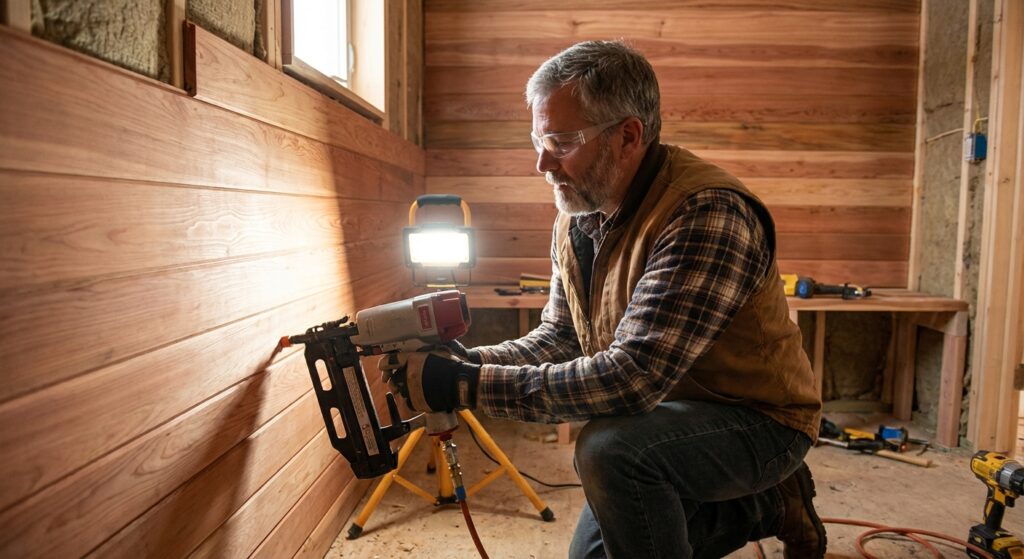
A sauna in Lithuania is not just a building or a room; it is a place of culture, relaxation and socialization, an investment in health and quality of life. It is not surprising that more and more people dream of having their own sauna. However, the realization of this dream requires specific knowledge. Although the idea of building a sauna yourself (DIY) sounds attractive due to the alleged savings, the reality is often different. Installing a sauna without professional experience can quickly become a series of costly mistakes. Why are professional sauna installation specialists the best solution to avoid major headaches, save time and, most importantly, ensure durability and safety? Design and bureaucratic labyrinths: from vision to real project Successful construction of a sauna begins with a flawless project. Specialists are not only able to transfer your vision into drawings, but also ensure that the project meets strict technical and legal requirements. When designing a sauna yourself, several essential stages are usually skipped, which eventually causes inconvenience or even forces you to redesign the entire structure. Legal requirements and permits Depending on the size, location and purpose of the sauna, different technical building regulations (STR) may apply to it. Professionals know perfectly well when a building permit is required, what distances must be maintained to the boundary of the plot or other buildings, and what fire safety standards must be observed. If a sauna is built as a separate building, especially in protected areas, managing documentation becomes a complex and lengthy process. Sauna installation specialists take over this bureaucratic burden, ensuring that all work is legal and completed on time. Material selection dilemmas One of the most common mistakes made when building a sauna yourself is choosing the wrong materials. Extreme conditions prevail in the sauna: high heat and high humidity. Standard construction wood or insulation materials simply cannot withstand this load. For example, unsuitable finishing wood (e.g. spruce) can release resin, which not only spoils the aesthetic appearance, but also poses a risk of burns. Specialists recommend only those types of wood (e.g. linden, aspen, black alder) that are resistant to moisture, heat up slowly and are durable. In addition, they know which sealants and adhesives to use so that steam and heat do not damage the structures. Inappropriate materials not only shorten the service life of the sauna, but can also cause mold and fungus problems. Technical errors that affect safety and efficiency Technical construction of a sauna is a process that requires precision. Even the smallest error can have major consequences, ranging from high energy costs to tragic fire hazards. These aspects are areas where the experience of specialists is invaluable. The critical role of ventilation Ventilation is the „breathing“ of a sauna and is perhaps the most underestimated aspect in amateur construction projects. Many people think that simple ventilation openings are enough, but proper air movement (circulation) must be ensured in the sauna room, which guarantees: Safety: Carbon monoxide is removed (relevant for wood-burning saunas). Comfort: The air in the sauna does not turn into a heavy and stuffy "mush", good steam quality is maintained. Durability: Moisture accumulation in structures after use is avoided. Specialists use "Kiplast" or "Tylos" (silent air) ventilation schemes, knowing the exact height, location (usually low near the stove and high on the opposite side) and size of the air intake and exhaust openings to achieve maximum efficiency. Incorrectly installed ventilation means a constant fight with cold air near the floor or too rapid cooling of the stove. Correct electrical installation and fire safety An electric stove is a powerful device that requires a separate electrical input and special protection. Working with electricity in damp and high-temperature rooms is especially dangerous. Professionals know: What special, heat-resistant wires and switches to use. How to properly protect wires from direct heat. How to install fuses and RCDs (residual current devices) to prevent electric shock. What safe distances to maintain between the stove and flammable materials (wooden walls). It is often mistakenly believed that it is enough to insulate the stove area with simple ceramics or metal. However, specialists use special heat-resistant panels and certified insulating materials, ensuring that heat does not enter wooden structures and does not pose a fire hazard. Regardless of whether a wood-burning or electric sauna is being built, fire safety is a priority that cannot be ignored. Thermal insulation mistakes - a waste of energy A competently constructed sauna guarantees effective heat retention. However, non-specialists often make mistakes when insulating: Inappropriate vapor barrier: Standard film is used instead of aluminum foil or special foil coatings. Standard film in the sauna melts or lets steam through, causing moisture to accumulate inside the walls, causing wood rot and cold bridges to appear. Imperfect joints: It is important that the aluminum foil is sealed with a special heat-resistant aluminum tape. The slightest gaps allow moisture to penetrate the insulation (usually rock wool), reducing its effectiveness. Insufficient air gap: A small air gap must be left between the finishing wood and the vapor barrier. Specialists ensure that this air gap acts as an additional insulating layer and prevents the finishing from overheating. These mistakes cause the sauna to require twice as much time and energy to heat up, which means higher operating costs in the future. Long-term preservation of investment value By hiring professionals, you buy not only labor, but also knowledge, which will pay off in the long run through lower repair costs, higher comfort and increased real estate value. Aesthetics and ergonomics – experience that cannot be bought Sauna installation specialists have not only technical, but also ergonomic and design knowledge. They know the optimal height of benches, the distance from the stove, the arrangement of loungers for comfortable lying, and how to visually and technically hide electrical wires and ventilation openings to create a harmonious and aesthetic image. Details such as lighting solutions (LED strips, hidden lighting, heat-resistant) are essential in creating a cozy and safe environment. A sauna designed and built by a professional looks and works better, which directly increases the value of a house or farmstead. Efficiency and operating costs A professionally installed sauna is efficient. This means that it heats up faster and retains heat for longer, using less energy. The annual operating costs of a well-designed sauna can be significantly lower than a self-built one, in which heat „leaks“ through poorly insulated areas or ventilation systems. Modern sauna construction technologies also allow for the integration of smart solutions, such as remote control of the stove, which further increases comfort and efficiency. Warranty and responsibility for the work performed One of the biggest advantages of hiring specialists is the warranty. If after two years you notice that the wood is cracking or the ventilation is not working properly, a professional company will take responsibility and fix the defects. When building a sauna yourself, you are responsible for all mistakes, and their correction often requires dismantling the finish and reinstalling the insulation or even replacing the stove, which is expensive. How much do mistakes cost? People often choose the "do it yourself" (DIY) path in order to save 15–25%

Efficient sauna construction: professional solutions help you save money Read More »

sauna after sports

Sauna After Sports: Science-Backed Muscle Recovery and Regeneration Secrets

Modern sports require not only maximum physical performance during training, but also an optimal recovery strategy. Elite recovery is just as important as the load itself. Among the many regeneration methods, sauna after sports remains a time-tested, and now scientifically proven, tool that allows you to achieve faster and more effective muscle recovery in the sauna. This comprehensive guide examines exactly how heat therapy works at the cellular level, explaining why sauna after sports is one of the most powerful regeneration techniques, ensuring not only muscle pain reduction in the sauna, but also an increase in overall endurance. This is science-based recovery, adapted to top-class athletes. Scientific basis: The effect of sauna on muscles and cell regeneration The benefits of sauna after sports are not just a subjective feeling of relaxation. High temperatures cause profound physiological changes that actively contribute to the recovery process. Stimulation of blood circulation and elimination of metabolites The heat of the sauna causes intense vasodilation - the expansion of blood vessels. Increased blood flow to the muscles means greater oxygen and nutrients needed to repair damaged myofibrils. In addition, increased blood flow helps to remove metabolic byproducts, including lactic acid and other fatigue-causing compounds, faster, thus improving post-workout recovery. Heat Shock Proteins (HSPs) and Cellular Resistance One of the key mechanisms of the sauna’s effect on muscles is the stimulation of the production of Heat Shock Proteins (HSPs). These proteins act as cellular „sanitaries“ – they help repair damaged protein structures, protect against oxidative stress and optimize cellular function. Studies show that higher HSP concentrations are associated with faster muscle repair and greater cellular resistance to future physical exertion. This directly determines how quickly you recover from sports. The benefits of saunas for athletes cover a wide range, regardless of the discipline – whether it’s strength sports or long-distance running. DOMS Reduction and Muscle Fiber Relaxation Delayed onset muscle soreness (DOMS) is inevitable after intense training. Heat therapy for muscles helps to relax tense muscle fibers, reduces inflammation and irritation of nerve endings, thereby significantly reducing discomfort. Heat acts as a natural analgesic, facilitating the restoration of range of motion. Sauna and Recovery After Running: Increasing Endurance Potential Long-distance runners especially appreciate sauna and recovery after running. Regular sauna use can improve plasma volume and blood flow to the heart, which is critical for endurance. This cardiovascular conditioning achieved in a sauna mimics light exercise, but without mechanical stress on the muscles and joints, thereby increasing the body's ability to deliver oxygen more efficiently. In order to maximize muscle recovery in a sauna, it is important to follow protocols based on knowledge of regeneration science. Sauna is more than just a pleasant ritual – it is a powerful, scientifically proven tool that allows athletes to not only recover faster, but also increase their physical performance in the long term. Integrating heat therapy for muscles into a regular recovery plan creates an optimal foundation for continuous improvement and injury prevention. When is the best time to go to the sauna – immediately after training or later? Although a sauna is a great recovery tool, it is not recommended to go to it immediately after a particularly hard workout. Wait at least 10-30 minutes for the body to cool down, and consume protein and carbohydrates immediately after exercise. Sauna works best in the first 1-3 hours after exercise, when inflammatory processes have not yet set in. Does a sauna help remove lactic acid (lactate)? Yes, but indirectly. Lactic acid is quickly metabolized after training. The heat of the sauna, by increasing blood circulation, more effectively removes metabolic byproducts. It is important to emphasize that modern science does not see lactate as a „poison“, but as a source of energy. The benefits of sauna for recovery are more related to the activation of HSP and improved blood circulation. What is the optimal frequency of sauna sessions for an athlete? For most athletes seeking maximum muscle recovery in the sauna, 2-3 sessions per week are sufficient. It is important to monitor the body's reaction and ensure sufficient hydration. Longer and more frequent sessions can cause fatigue or dehydration. Is a sauna suitable after strength or endurance training? Sauna is beneficial for both types of athletes. For strength athletes, it helps reduce DOMS and promotes protein synthesis, while for endurance athletes, it improves cardiovascular health and helps support overall recovery after prolonged physical exertion, especially after recovery from running.

Sauna After Sports: Science-Backed Muscle Recovery and Regeneration Secrets Read More »

preparation for the sauna

Preparing for a sauna in 30 minutes: How to move from stress to complete peace.

A sauna is not just about heat and steam, it is a deep ritual of relaxation, detoxification and connection. However, for this ritual to be maximally beneficial and enjoyable, proper preparation for the sauna is essential. We often think that preparation takes a lot of time, but we will show you how you can do all the necessary pre-sauna preparation in just 30 minutes, moving from everyday stress to complete peace. 30 Minute Challenge: Quick Preparation for the Sauna Our goal is to create an effective system that will help optimize your time. This preparation for the sauna in 30 minutes includes physical preparation, inventory collection and, most importantly, mental switching. Stage 1: Inventory collection (10 minutes) By effectively knowing what to take to the sauna, you will avoid last-minute panic. The better you put together your bag, the sooner you can start enjoying the process. Essential items for sauna rituals:

Preparing for a sauna in 30 minutes: How to move from stress to complete peace. Read More »

sauna economy

The Sauna Dilemma: Is It an Expensive Pleasure, or a Saving for Your Health and Weekend?

Many Lithuanians dream of having their own sauna, but as soon as this pleasure is mentioned, fear immediately arises: is a sauna an expensive pleasure? At first glance, it seems that it is a luxury item. However, after a deeper examination of finances and long-term benefits, you will understand that the real costs of a sauna can be much lower than annual expenses for SPA centers, expensive trips or even weekends in the city. So is the pleasure of a sauna really expensive? Let's try to estimate all costs from construction to heating. Initial Investment: Sauna Construction Costs No one will deny that the largest part of the investment is the installation of a sauna. It is this step that usually makes people think that the price of a sauna is prohibitive. However, it is important to understand that the costs of building a sauna are extremely flexible and depend on your ambitions and budget. Sauna Type and Material Price directly correlate with the choice. Do you need a large, traditional, smoke sauna with a sauna house and an outdoor terrace, or is a compact electric sauna installed in the basement of the house enough? Choosing expensive types of wood, a top-class stove and a complex ventilation system will cause the costs of building a sauna to soar high. However, when saving, you can find a middle ground. It is important to realistically assess how much a sauna in your chosen format costs. Can a Sauna Be Cheap? Absolutely! If you want the smallest possible investment, focus on the cheapest sauna options: simplified construction, standard materials and a lot of independent work. If you have skills in construction, you can save most of the budget on work. Modern modular solutions also allow you to get a functional result without high initial sauna costs. Permanent Sauna Costs: Heating and Maintenance When the sauna is already in place, it is time to consider operating costs. People often overestimate how much a sauna costs to operate it every week. The truth is that the ongoing costs of a sauna are usually ridiculously low, especially compared to other entertainment. How Much Does Sauna Heating Cost? This is the main source of ongoing costs, but this is where the greatest sauna savings can be found. If you have chosen a wood-fired sauna and have your own forest or the ability to buy firewood cheaply, the cost of heating the sauna will be minimal. Most often, one session requires only a few euros worth of firewood. The fact remains: the cost of heating a sauna is easily controlled and rarely exceeds the cost of an average dinner in a restaurant. Water, Maintenance and Small Costs In addition to heating, there are other costs to consider. Water consumption is small. Sauna maintenance (cleaners, new battens, stove maintenance) is an annual expense that rarely makes up a large part of the total sauna costs. Sauna Economics: Benefits That Outweigh the Cost To assess whether the pleasure of a sauna is expensive, you can't just look at the numbers. You need to evaluate the return you get. Sauna Benefits Vs. Other Entertainment Compare: one visit to a luxury spa for two people can easily cost from 70 to 150 euros. Over the course of a year, the costs of this sauna would add up to a large amount. Having your own sauna, you get unlimited access to the relaxation area for minimal operating costs. This is the pure economy of the sauna. From a long-term perspective, the benefit-cost ratio of the sauna is clearly in favor of the benefit. It is an investment in family leisure and socialization, which does not devalue, but rather increases the value of real estate. Health as an Investment Modern studies confirm that regular use of the sauna improves heart function, reduces stress and helps detoxify. How can we assess the connection between health and the cost of the sauna? By reducing stress levels and strengthening immunity, you can save money in the long run that would otherwise have to be spent on healthcare or medications. The sauna becomes not a pleasure, but a preventive measure. Conclusions: How Much Does a Sauna Really Cost? The answer to the question „Is a sauna an expensive pleasure?” is conditional. The initial costs of building a sauna require planning and budgeting, but the ongoing costs, especially if you can use the cheapest sauna strategy (wood-burning), are minimal. A sauna is a long-term investment, the value of which is measured not only in money, but also in better health and the payback of the sauna price through increased quality of life and peace of mind. So, forget the myths about incredible costs – a sauna is more economical than it seems.

The Sauna Dilemma: Is It an Expensive Pleasure, or a Saving for Your Health and Weekend? Read More »

sauna-walls

Mistakes Everyone Makes: How to Create the Perfect Sauna Atmosphere (And Not Waste Money).

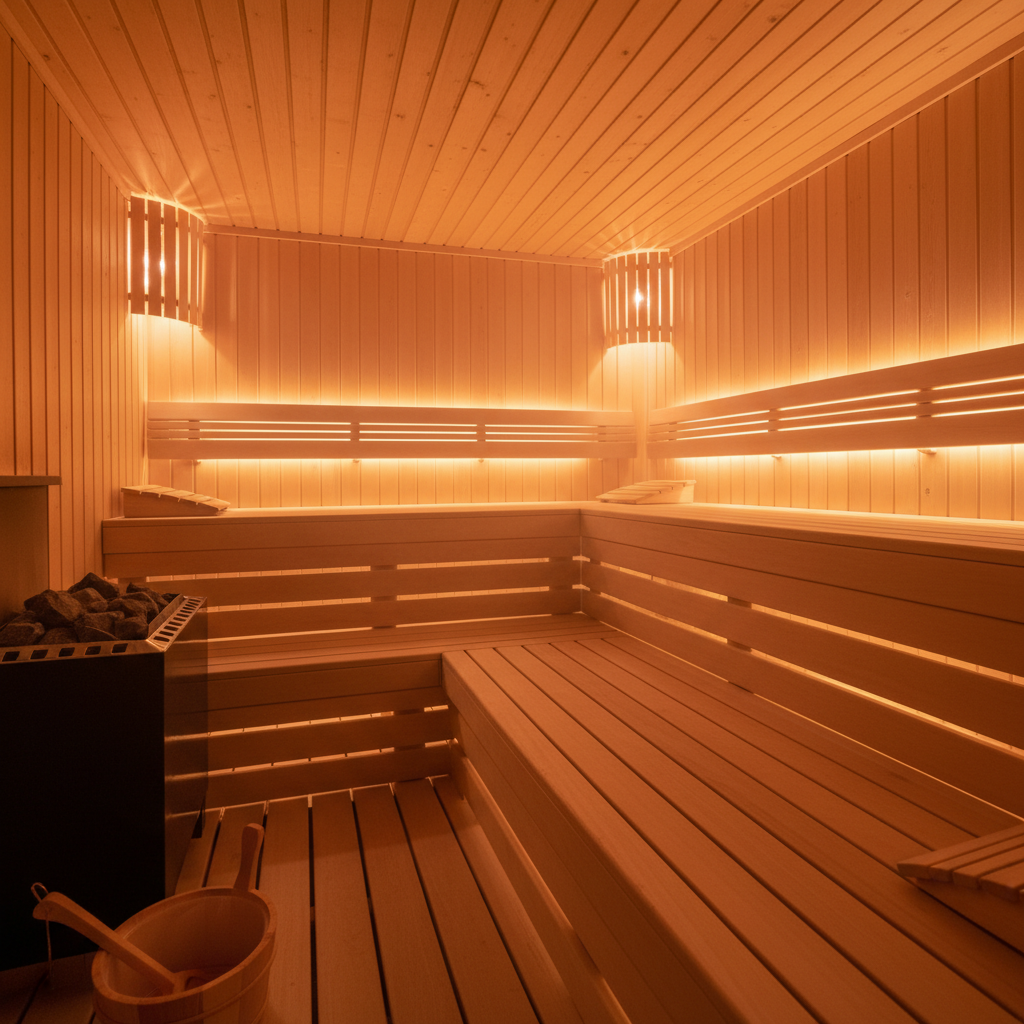
Mistakes Everyone Makes: How to Create the Perfect Sauna Atmosphere (And Not Waste Money). A sauna in Lithuania is not just a procedure, but also a ritual that requires special attention to detail. However, in their quest to create the perfect place for relaxation and health, many enthusiasts make costly mistakes that ruin aesthetics and functionality. Successful sauna design and long-lasting sauna interior design require strategic planning, from choosing the right wood to the subtleties of lighting. Learn how to avoid these mistakes, create an authentic sauna atmosphere, and optimize costs at the same time. In this article, we will review the essential aspects that will help your sauna interior become not only visually attractive, but also functionally flawless. 5 Essential Sauna Installation Mistakes That Cost You a Lot Even the smallest mistakes when planning a sauna decoration can cause big problems in the future, especially related to moisture and mold. Avoiding these mistakes is the first step towards a successful and long-lasting project. 1. Wrong Choice of Wood for a Sauna Many people try to save money by choosing the cheapest building materials, forgetting that a sauna is a space of extreme temperatures and humidity. Unsuitable wood (for example, pine or spruce with a high resin content) can heat up, become uncomfortable to sit on, and eventually start to rot. Professional selection of wood for a sauna is critical. Choose aspen, black alder, cedar or thermally treated wood (thermo-wood). These materials have low thermal conductivity, are resistant to moisture and do not cause discomfort when sitting at high temperatures. 2. Poor Ventilation and Humidity Management The most common mistake in sauna installation is a ventilation system that is too small or improperly installed. Without proper air circulation, the air in the sauna becomes heavy, moisture accumulates, which creates ideal conditions for mold to form. Both air intake (usually near the stove) and exhaust (diagonally on the opposite side, closer to the floor) must be ensured. Proper ventilation guarantees a longer service life of the sauna and helps create a pleasant atmosphere. 3. Ignoring Sauna Lighting and Ergonomics A sauna should be a relaxing space. Bright, white LED lighting destroys all coziness. Professional sauna lighting ideas suggest using hidden, warm-colored light sources installed under the loungers or backrests. It is also important to pay attention to ergonomics - the loungers should be wide enough and placed at different heights to suit different users. How to Create a Special Sauna Atmosphere and Save? Creating coziness does not mean wasting money. Tactical planning and attention to detail allow you to achieve a sense of luxury even with a cheap sauna installation. Modern Sauna Design – Functionality and Aesthetics Modern modern sauna design emphasizes simplicity, clean lines and naturalness. Avoid unnecessary decorations. Focus on the texture and quality of the wood. The decoration of the loungers and walls, made of the same wood, creates an impression of integrity and tranquility. A well-designed sauna interior with hidden heat sources and minimal visual noise helps to achieve the deepest relaxation. Lighting, Aromas and Acoustics If you want to know how to create a sauna atmosphere, you need to influence all the senses. In addition to the aforementioned muted lighting, use essential oils (e.g. eucalyptus, mint) and natural sound elements. Soothing, quiet music or even the imitation of trickling water will contribute to a meditative state. These elements are relatively inexpensive, but have the greatest impact on the overall experience. Effective Sauna Decoration Planning In order to save money, invest in a quality stove and insulation - this is a long-term investment. However, you can choose cheaper, but still suitable wood types for shelves, and use more expensive, more resistant wood only for those surfaces that you come into direct contact with (seating areas). Successfully completed sauna interior design is a balance between budget and durability. Conclusion: Sauna design is a holistic process. By avoiding common mistakes and focusing on the quality of the wood, ventilation and sensory elements, you will create not only a beautiful, but also a functional oasis that will last for many years without wasting money. FAQ (Frequently Asked Questions) What wood is best for sauna decoration? Low-resin and slow-heat-transferring species, such as aspen, black alder, cedar or thermo-wood, are best suited. These wood types are resistant to moisture and do not cause burns in the sauna at high temperatures. Can I use regular household LED lights in the sauna? No, the sauna should be equipped with special moisture- and high-temperature-resistant lamps (the IP rating should be high). It is also recommended to choose warm, subdued light to enhance the relaxing atmosphere. How much does a cheap sauna installation cost? „Cheap“ is a relative term, but savings can be made with responsible planning. The finishing and interior installation of a small, compact sauna (2x2m) (excluding the structure or heating system if a wood-burning stove is used) can range from €1,500 to €3,000, depending on the quality of the wood chosen and the amount of independent work. How much time should I spend ventilating the sauna after use? After each use, the sauna should be ventilated for at least 30 minutes with the doors and vents open, and ideally until the wood is completely dry. This helps reduce humidity and prevents mold from forming, preserving the sauna interior.

Mistakes Everyone Makes: How to Create the Perfect Sauna Atmosphere (And Not Waste Money). Read More »

Installation of a sauna

Sauna installation: steps, decoration, price, stove

How to install a sauna: steps, solutions and practical advice A sauna in Lithuania is not only a place of hygiene, but also a place with deep traditions, where we regain strength and spend time with loved ones. Although the idea of installing a sauna may seem complicated, a clear understanding of the process allows you to avoid mistakes and make the right decisions. This article provides a practical guide that will help you understand how a sauna installation is carried out - from planning and budgeting to finishing and choosing a stove. And if you plan to entrust the work to specialists, professional sauna installation ensures safety, durability and correctly implemented technical solutions. Steps for installing a sauna: what is important to plan in advance Successful construction and installation of a sauna begins with careful planning. First of all, you need to decide whether it will be a separate building or an indoor sauna installation, integrating it into the space of the house or basement. The size, height and shape of the room directly affect the need for stove power and the total cost of installing a sauna. Location: Ensure that the chosen location is dry, has proper waterproofing and is convenient for bringing electrical wiring (if an electric stove is being installed). Budgeting: Estimate the cost of not only wood and insulation materials, but also electrical work, ventilation system and stove. The price depends largely on the quality of the selected sauna finish and material. The main stages of sauna installation in brief Wall construction and thermal insulation: : essential principles The sauna wall must be an effective thermal barrier. Before starting the interior decoration, it is necessary to perform proper insulation (usually using rock wool) and, most importantly, install a vapor barrier. The vapor insulation of the sauna is critically important. Usually, special aluminum foil is used for this, which reflects heat back into the sauna and prevents moisture from penetrating the thermal insulation and wall structure. The foiled layer must be installed as tightly as possible, gluing the joints with special aluminum tape. Sauna ventilation: how to ensure proper air circulation It is a mistake to think that a sealed sauna is the best sauna. Insufficient ventilation not only worsens the oxygen supply, but also significantly shortens the service life of the wood. The optimal sauna ventilation scheme includes two main points: Inlet (Supply): Installed low, next to the stove, so that the air warms up immediately. Outlet (Exhaust): Installed diagonally on the opposite side, approximately 50-70 cm from the floor, or high near the ceiling if the sauna is small. A properly functioning scheme ensures even air circulation and protects the structure from mold. Sauna decoration and stove: how to choose the right solutions Sauna decoration and selection of materials Sauna decoration and materials must be resistant to extreme temperature and humidity conditions. Conifers should never be used for interior decoration, except for specially heat-treated wood species, due to the resins they emit. The best choices for finishing (walls, ceilings) and beds: Linden: Light, light, slow to heat up. Aspen: Strong, does not absorb moisture. Black alder: Elegant, with a darker shade. It is necessary to use stainless steel fasteners to avoid corrosion and possible burns from hot metal elements. Sauna stove: installation and safety aspects Whether you choose a wood-burning or electric stove, the installation of a sauna stove must be carried out in accordance with strict safety standards. Before installation, read the manufacturer's requirements for safe distances to flammable materials (walls and ceilings). Electrical Installation: If the stove is electric, the work must be carried out only by a certified electrician, using heat-resistant silicone wires and special connectors. Chimney (For wood-burning stoves): The chimney must be installed safely, using separate, insulated segments through the ceiling and roof to avoid contact with wooden structures. A professionally implemented sauna installation will ensure that your home will not only have a place to relax, but also an investment in your health that will last for many years. If you are considering an individual solution or want to avoid technical errors, professional sauna installation allows you to achieve the best result in the long term. Frequently Asked Questions (FAQ) How long does it take to fully install a sauna? The total time for a quality sauna installation depends on the size and complexity of the project. On average, if the frame has already been built, interior decoration, insulation and installation of the sauna stove take from 2 to 4 weeks. The planning stage may take additional time. What is the approximate cost of installing a sauna? The cost of installing a sauna varies widely. A small (~4-6 sq. m) sauna with a mid-range finish can cost from 3,000 to 6,000 EUR (materials and labor), depending on the type of stove chosen (electric is often cheaper than wood-burning) and the sauna finish and material. What mistakes are most often made when insulating a sauna? The most common mistake is improper steam insulation of the sauna. Sauna construction requires that the foil barrier be completely airtight. Any crack or poorly glued seam allows moisture to penetrate, which eventually damages the insulation and wooden structures. A high-quality sauna ventilation scheme is also often ignored.

Sauna installation: steps, decoration, price, stove Read More »

Modern sauna design: stylish ideas and solutions

Modern sauna design: stylish ideas and solutions A modern sauna is much more than just a traditional hot room with loungers. It has become a design object that reflects the needs and stylistic preferences of modern man. While the spirit of the old Lithuanian baths remains, today's sauna spaces combine functionality with minimalist beauty, modern materials with naturalness, and the latest technology with old wellness traditions. From small saunas integrated in city apartments to spacious outdoor complexes, modern sauna design offers endless possibilities. In this article, you will learn about the main trends in modern sauna design, material options, space planning solutions and innovations in lighting and finishes that will help you create a stylish, comfortable and healthy sauna. Key elements of modern sauna design Modern sauna design has several key features that distinguish it from traditional or rustic saunas. Minimalism and natural materials in modern saunas Minimalist aesthetics have become the dominant trend in modern saunas. Clean lines, uncluttered spaces and harmonious colour combinations create an impression of tranquillity and luxury.The use of grey interiors in harmony with natural wood has become very popular for creating stylish sauna solutions. Modern saunas are often characterised by: The use of natural materials is important in modern saunas, but they are often innovative. For example, traditional woods such as aspen or lime can be heat-treated to increase resistance and create a darker, richer shade. It is also popular to combine different types of wood - one can be used for walls, another for loungers or ceilings, creating a play of subtle contrasts. At the same time, modern materials are integrated into contemporary solutions: large expanses of glass, stone tiles, stainless steel accents. These materials not only serve a practical function, but also give the space a contemporary character and help to optimise space in smaller rooms. Stylish sauna interior ideas: colours, materials and lighting The interior design of a sauna is no longer limited to functional solutions - today it is a space where aesthetics, comfort and functionality intertwine. Natural wood remains the main material used for sauna decoration, but its use is becoming much more varied. The most popular choices in modern saunas: In contemporary solutions, we often see natural wood combined with stone tiles for the floor or part of the walls. Dark, anthracite-coloured tiles contrast beautifully with light wood, creating an elegant but warm atmosphere. The use of „terrazzo” tiles has also become popular, adding a modern touch to the space. Bathroom lighting is becoming one of the most important design elements to create a unique mood. Modern baths are often characterised by subtle colour contrasts - dark stone or ceramic details, black stove details and dark accents are combined with traditionally light wood. This creates a more elegant, luxurious interior compared to traditional baths clad only in light wood. When choosing materials, it is important to pay attention to their suitability for the sauna - all materials must be able to withstand temperature fluctuations, high humidity and be safe for use at high temperatures. Certified sauna materials are a more reliable choice, ensuring not only aesthetic beauty but also durability. Compact and space-saving sauna solutions The modern rhythm of life and limited space resources have led to creative solutions to adapt saunas even in small spaces. Ergonomic sauna loungers are not only about comfort but also about practical use of space.Modern loungers are often designed to be folded, hidden or transformed to suit your needs. Round or L-shaped beds make better use of corners, while stepped seating areas allow more people to be comfortable. Ventilation and insulation systems are nowadays a major consideration in the installation phase of a sauna. Modern ventilation systems not only ensure air circulation, but also help to maintain optimum temperatures and save energy. Automated ventilation systems that react to changes in temperature and humidity to provide optimal conditions are becoming popular. Innovative solutions such as: For small plots or cramped urban homes, barrel-shaped outdoor saunas are becoming popular, which not only save space but are also quick to prepare and energy efficient.They are ideal for those who want to enjoy the pleasures of a sauna, but do not have the possibility to build a larger, stationary sauna structure. Outdoor saunas and health-related sauna concepts The popularity of outdoor saunas continues to grow, and modern design brings new ideas for integrating these spaces into the overall concept of a backyard or country house. Terraces have become an almost indispensable element of the sauna, extending the sauna space and adding value. Modern terraces can be arranged as follows: An outdoor sauna with a terrace is often designed to be visually as well as functionally attractive. Large glass walls or doors allow you to enjoy the natural surroundings while enjoying the view, while the terrace can be designed to offer the most beautiful view of the plot. Modern sauna spaces are increasingly being designed with wellness benefits in mind. The health benefits of a sauna can be enhanced by adding: Recent studies have shown that regular use of a sauna can improve circulation, reduce stress, help relax muscles and even strengthen the immune system. Therefore, modern sauna design often focuses on creating optimal conditions to meet these wellness needs. Interestingly, elements of the traditional Lithuanian sauna (e.g. the use of bath tubs) are increasingly being integrated into modern designs, recognising their wellness value and cultural heritage. Modern sauna spaces may have special areas for storing vases, drying herbs or preparing infusions. Conclusions Contemporary sauna design is an interdisciplinary art combining ergonomics, aesthetics and technology. From minimalist solutions to the use of natural materials, from intelligent lighting to ergonomic loungers, modern sauna spaces offer an endless range of possibilities. Whether it's a compact sauna in a city apartment or a complete outdoor sauna with a lounge area, it's worth taking individual needs and possibilities into account when planning your sauna project. The most important thing is that the sauna space reflects your personal style, fits your budget and, of course, serves the main purpose of providing a healthy and relaxing holiday. The next steps in planning a modern sauna could include consulting a sauna designer or installer, looking for inspiration in specialised magazines or exhibitions and, of course, planning the installation process carefully. Whatever style or size you choose, a modern sauna can be a source of health as well as a home decoration. Frequently asked questions What are the main design features of a modern sauna? Modern sauna design is characterised by minimalist lines, natural materials, innovative lighting and space-saving solutions. What are the most suitable materials for a modern sauna interior? Thermowood, aspen, lime and stone tiles are popular for their aesthetic qualities, durability and heat resistance. How can I make a small sauna spacious and stylish? Choose light-coloured woods, built-in loungers, glass partitions and strategic lighting to create a spacious and contemporary feel. What are the main health benefits of a modern sauna? Regular use of a sauna can improve blood circulation, relax muscles, boost immunity and contribute to better mental health. Can I combine my sauna with an outdoor terrace or garden? Yes, many modern sauna designs

Modern sauna design: stylish ideas and solutions Read More »

Stationary sauna

A stationary sauna in your backyard: comfort all year round

Stationary sauna in your yard: comfort all year round Lithuanians have long been famous as a nation of sauna lovers. This traditional way of relaxation and wellness is experiencing a real revival today, with more and more people dreaming of having their own sauna in their own backyard. A stationary sauna is not only a way to preserve tradition, but also an investment in everyday comfort and health. Unlike portable, temporary solutions, a stationary outdoor sauna becomes an integral part of the home environment, providing the opportunity to enjoy sauna procedures at any time of the year, regardless of weather conditions. In this article, we will discuss in detail the advantages and disadvantages of stationary saunas, compare them with mobile alternatives, advise on how to properly plan and install a sauna in your yard, review heating and insulation solutions that ensure comfort all year round, and share information about the benefits of a sauna for health and well-being. You will also find practical advice and answers to frequently asked questions that will help you make the best decision when choosing a sauna. Stationary and mobile saunas: key differences and selection criteria Before investing in a sauna in your yard, it is important to consider all possible options and choose the solution that best suits your needs. Stationary and mobile saunas have their own advantages and disadvantages that must be evaluated. Advantages of stationary saunas Disadvantages of stationary saunas Advantages of mobile saunas Disadvantages of mobile saunas When evaluating a stationary sauna in the long term, it often becomes a more economically attractive investment. Although the initial costs are higher, the durability, energy efficiency and added value to the real estate compensate for the initial investment. In addition, a stationary sauna provides an opportunity to create a unique space that reflects personal style and needs. Local construction expert Domas Petraitis notes: „Most of my clients, when choosing a stationary sauna, appreciate not only its functionality, but also how it becomes an integral space of the home, where family and friends gather not only for the pleasures of the sauna, but also for socializing.” If you are considering a stationary sauna, it is worth consulting with professionals who will help you assess the characteristics of your plot, needs and budget, offering the optimal solution. Planning and installation of a stationary sauna in the yard The installation of a stationary sauna begins with careful planning. This stage is particularly important, as the functionality, comfort and durability of the future sauna depend on it. Choosing a location Choosing a suitable location is one of the most important stages of installing a sauna. When choosing a location, it is worth considering the following aspects: Legal aspects and permits A stationary sauna, like other structures, requires certain permits. In Lithuania, construction permit requirements may vary depending on the municipality, size and type of sauna. The following documents are usually required: Before starting construction, it is necessary to consult the local municipality's construction department regarding the specific requirements in your municipality. Selection of materials The materials used for the construction of a sauna must not only be aesthetically attractive, but also adapted to the specific conditions of the sauna - high temperature and humidity: Selection of a sauna stove The stove is the heart of the sauna, therefore its choice is extremely important. Main types of stoves: When choosing a stove, it is important to consider the size of the sauna, thermal needs, energy sources and personal priorities. Layout of sauna spaces The optimal structure of a sauna usually includes: Budget planning The prices of a stationary sauna in Lithuania can range from several thousand to tens of thousands of euros, depending on the size, quality of materials and equipment. Main cost categories: These figures are indicative and may vary depending on the specific features of the project, the prices of materials and the type of stove chosen. A properly planned and equipped stationary sauna will become not only a source of health, but also a cozy space where you can spend quality time with family and friends all year round. Comfort all year round: heating, insulation and seasonal use One of the biggest advantages of a stationary sauna is the ability to use it all year round. However, in order for the sauna to be comfortable at any time of the year, it is necessary to properly solve the issues of heating, insulation and ventilation. Effective thermal insulation High-quality thermal insulation is an essential condition for ensuring sauna comfort in the cold season and energy saving. Key aspects of insulation: Optimization of the heating system An effective sauna stove system ensures not only a comfortable temperature, but also economical energy use: Ventilation solutions Proper ventilation ensures not only comfort, but also safety in the sauna: Seasonal maintenance and use Different seasons require different sauna maintenance: Winter season Summer season Spring and autumn seasons Smart technologies and energy saving Modern technologies can help optimize sauna use and energy costs: An investment in high-quality insulation and efficient heating systems may seem large, but in the long term it not only ensures comfort all year round, but also allows you to save energy costs. A stationary sauna, properly equipped and maintained, will become a decoration of your yard and an oasis of comfort at any time of the year. Benefits of a stationary sauna for health and well-being Having a stationary sauna in your yard is not only an element of comfort and luxury, but also an investment in health and well-being. Regular sauna visits have a positive effect on both physical and psychological health, and the ability to use a sauna at any time further enhances this effect. Physical health benefits Sauna procedures have a positive effect on various body systems: Psychological and emotional benefits Sauna procedures are no less important for psychological and emotional health: Sauna traditions and cultural aspects Sauna culture in Lithuania has deep traditions, which make this practice even more valuable: Benefits of regular sauna use Having a stationary sauna in your yard, you can enjoy the following additional benefits: A stationary sauna in the yard becomes not only a relaxation space, but also a wellness center, where you can regularly strengthen your health, improve your well-being and cherish traditions. The ability to use a sauna at any time of the year allows you to adapt the procedures to the characteristics of the season - in summer, enjoy contrast procedures with a cold shower or bath, and in winter - warm up in a cozy sauna after a day in the cold. The experience of regular sauna visitors shows that your own sauna ritual becomes a valuable part of the routine, helping to maintain physical and emotional balance in the pace of modern life. Summary A stationary sauna in the yard is more than a simple structure or a place to spend time. It is an investment in a comfortable lifestyle, health and well-being, which provides benefits all year round. Although the initial investment in a stationary sauna is higher than in a mobile one, its durability, comfort and added value to real estate pay off in the long term. A stationary sauna provides a unique opportunity to enjoy sauna procedures at any time of the year – on a hot summer day, refresh yourself after a contrast shower, in autumn, warm up in a cozy sauna while watching the falling leaves, in winter, enjoy the contrast of heat with winter snow, and in spring, renew yourself together with nature. Properly designed and equipped, it becomes not only an oasis of wellness, but also an aesthetic decoration of the yard, reflecting your style and values. When making a decision on installing a stationary sauna, it is worth considering the long-term perspective – it is not only a structure, but also a part of a lifestyle that will bring joy and benefits for many years. Careful planning, quality installation and regular maintenance will ensure that your sauna will last

A stationary sauna in your backyard: comfort all year round Read More »

Scroll to Top