
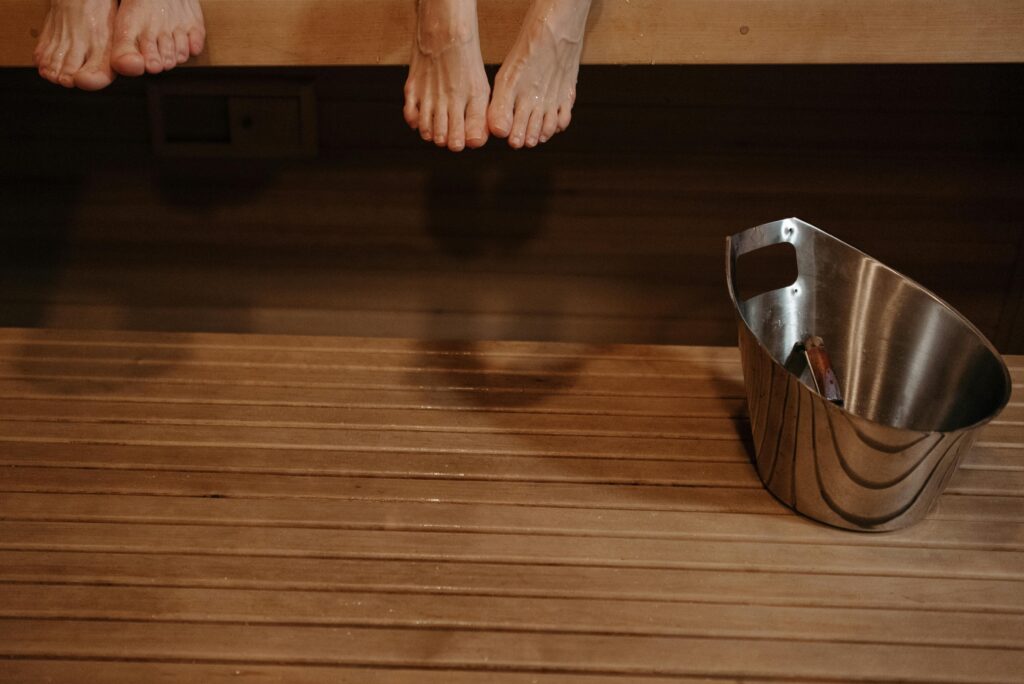
A sauna in Lithuania is not just a procedure, it is a ritual with deep meaning, surrounded by traditions, myths and, most importantly, enormous benefits for your health. The heat opens pores, cleanses toxins and relaxes muscles, leaving you feeling as if you have been reborn. However, most people forget that the real benefits are not only obtained in the oven, but also after you finish warming up. It is the rules of what to do after a sauna that determine whether your blood circulation will be harmonized or, on the contrary, you will experience stress. In this detailed article, we will discuss the 5 most common mistakes that even experienced sauna users make and provide a golden plan on how to ensure maximum benefits for your body and heart.
If the sauna session was intense, your body temperature has risen, your blood vessels have dilated, and your heart is beating faster. The body is vulnerable, and a sudden change in its state, such as a cold beer or a jump into icy water, can bring short-term pleasure, but in the long term - seriously harm your health. Read these rules carefully so that every visit to the sauna is a true act of wellness.
5 golden rules: what to do and what not to do after a sauna
Mistakes after a sauna may seem insignificant, but they directly affect your heart rate, blood pressure, and ability to regain fluid balance. Avoiding these mistakes will help your body recover most effectively.
1. Mistake: Cooling down too quickly and excessively after the sauna
There is no doubt that cold water after a sauna is pleasant, it makes the skin glow and restores energy. However, too sudden a shock can be dangerous, especially if you have problems with your heart or blood pressure. When you are in the heat, your blood vessels dilate (vasodilation) to cool down. A sudden cold shock causes a sudden narrowing of the blood vessels (vasoconstriction). This rapid process can cause cardiac arrhythmia, a sharp jump in blood pressure and increase the risk of heart attack in susceptible individuals.
What to do right: gradual cooling down
- Transitional stage: First, go outside to a cooler room and let your body naturally release some of its heat. A few minutes of rest will allow your heart rate to return to normal.
- Cooling from the feet: If you want to take a cold shower, bath, or pool later, cool your body down gradually. Start with your feet and hands, working your way up to your chest and head. This will reduce the shock to your body.
- Do not leave your head in a hot state: If you feel overheated, cool your neck and face first. Cooling your head is vital to prevent dizziness or heat stroke.
2. Mistake: Ignoring dehydration and drinking alcohol
In a hot sauna, a person can lose 0.5–1.5 liters of fluids per hour, depending on the intensity. This fluid loss, if not compensated, can lead to dehydration, headaches, fatigue, and even a drop in blood pressure. Unfortunately, one of the most popular mistakes is to replenish a dehydrated body with alcohol.
Alcohol is a diuretic – it promotes fluid loss and further increases dehydration, putting a strain on the liver and heart. When the body has already experienced heat stress, alcohol becomes especially dangerous, disrupting thermoregulation and normal recovery. Strictly avoid alcohol for at least a few hours after a sauna session.
What to do right: quality hydration
- Water and minerals: The best choice is plain water, water with lemon, or mineral water, which helps restore electrolyte balance.
- Herbal teas: Warm, not too sweet herbal teas (such as mint, chamomile, or lime blossom) help calm the body and gently cool it from the inside.
- As soon as possible: Start drinking fluids while you are in the sauna (in small sips) and continue after the procedure. Drink at least twice as much fluid as usual.
3. Mistake: Returning to intense activity or work
Many people think that a sauna is just a short break before returning to daily activities. However, the effect of a sauna on the body is equivalent to a light sports training session - the muscles are relaxed, blood circulation is activated, and the central nervous system is calmed. If you sit down at the computer or do heavy physical work immediately after the procedure, you interrupt the relaxation process and put a strain on tired muscles and heart.
What to do right: peace and relaxation
After a sauna, your body craves rest and meditation. This is a great time to absorb all the benefits of a sauna:
- Silence and peace: Set aside at least an hour for quiet activities. Read a book, talk to loved ones, but avoid stressful tasks or physical exertion.
- The state of the body ready for sleep: A sauna is an ideal way to prepare your body for quality sleep. If possible, take a sauna session in the evening and allow yourself to go to bed earlier. This will help your muscles recover as much as possible.
4. Mistake: Showering with strong soap immediately after a sauna
One of the main purposes of a sauna is to remove toxins and impurities through the skin. Your skin pores are open, and natural oils and sweat are released to the surface. Although you may feel the need to wash off the sweat, using harsh soaps or shampoos immediately after the procedure can do more harm than good.
Harsh chemicals can strip away the skin's natural protective layer before the pores have fully closed. This can dry out the skin, cause irritation, and strip away the beneficial oils that nourish the skin. In particular, avoid shower gels with strong fragrances.
What to do right: gentle hygiene and nutrition
- Simple rinsing: First, wash yourself under warm or cool water without using any products. This will wash away the sweat and allow your skin to cool down a bit.
- Please wait: Wait at least 15-20 minutes for your body temperature to return to normal and your pores to begin to shrink. Only then, if necessary, use a mild, pH-neutral soap.
- Hydration: Once your skin has completely calmed and cooled, use a light, nourishing body lotion or oil to restore moisture balance and soothe your skin.
5. Mistake: Rushing to get dressed and leave
After your last sauna session, even if you feel completely cooled down, your body is still actively thermoregulating. Heat is still radiating from within, and your thermoregulation system is working overtime. Quickly dressing in warm clothes and leaving can cause a new wave of sweating and then a sudden chill, which can lead to a cold. In addition, leaving the relaxation zone too quickly can cause a sudden drop in energy or dizziness due to changes in blood pressure.
What to do right: a long cool-down protocol
- Towel time: Wrap yourself in a soft towel or robe and spend at least 30 minutes in a relaxation area. Allow your body to calmly reach normal temperature.
- Sitting rest: Sit or lie down. Avoid sudden movements. This is especially important for people who are prone to dizziness. Your heart and circulatory system will thank you for the time given to stabilize.
- Healthy snack: After cooling down, it's time to snack on something light and mineral-rich, such as fruit, cheese, or nuts. This will help restore your energy reserves without putting too much strain on your stomach.
Why is a sauna routine a guarantee of health?
Sauna is one of the most effective means for training the cardiovascular system, but only if it is used correctly. Sauna stimulates the hormonal system, improves the functioning of capillaries and increases the production of endorphins, which leads to a better mood and lower stress levels. However, all these processes are sensitive. If the rules are violated, not only the risk of physical discomfort increases, but also possible long-term negative effects.
For example, a properly controlled temperature change (hot-warm-cold) is a great „exercise“ for blood vessels – they learn to respond quickly by contracting and dilating. If the temperature jump is too large and uncontrolled (from a 90°C sauna suddenly to 0°C water), the heart experiences shock, which causes a short-term but intense stress reaction.
Additionally, a soothing rest and proper fluid replacement after the sauna will help normalize blood pressure. If this step is skipped, blood pressure may remain too low (due to dehydration and dilated blood vessels), which can lead to weakness or even fainting.
Sauna ritual: create your own health plan

To enjoy a sauna safely and effectively, it is important not only to know what not to do, but also to create a personal sauna plan that will help your body smoothly transition from heat to peace.
- Preparation: Drink a glass of water before entering the sauna. Be prepared to spend at least an hour resting after your last session.
- Sauna session: Don't let yourself get too hot. If you feel unwell, get out. Take a sauna in several short sessions (10-20 minutes), with short breaks to cool down in between.
- First cooling: The first 10 minutes after the sauna are a time for slow cooling down in a cooler room. Wash off the sweat with warm water.
- Hydration: Rehydrate! Drink fresh juices, teas, or mineral water.
- Long rest: The most important stage: At least 30-60 minutes of lying or sitting still, covered with a gown. Allow your heart rate and blood pressure to fully return to normal.
- Gentle shower and skin: Only after it has completely cooled can you use mild soap and moisturize your skin.
Summary
The health benefits of a sauna are obvious – it strengthens immunity, cleanses the skin, reduces muscle tension and improves mood. However, in order to get the maximum benefit and ensure the safety of your heart, it is necessary to follow the golden rule: you should never rush after a sauna. Gradual cooling, proper hydration, and long rest are the elements that make the sauna procedure not only a pleasant but also a safe wellness ritual. By learning to avoid these 5 most common mistakes, you will enjoy the sauna longer, safer and better.
Remember: taking care of yourself after a sauna is the greatest respect you can give your body after an intense heat session. Relax, drink water, and enjoy the peace and quiet!