
How does sauna affect the body and immunity?
The sauna is a part of centuries-old traditions cherished not only by Lithuanians, but also by many other nations, and today it is experiencing a true revival. A Lithuanian sauna, a Finnish sauna, a Russian banya or a Turkish hamam all differ in temperature, humidity and rituals, but all have similar effects on the body.
Heat therapy has been used for centuries not only as a source of pleasure, but also as a natural healing tool to improve health and well-being.
More and more people are discovering sauna not only as a way to relax, but also as a natural way to boost immunity. Scientific research confirms what our ancestors knew intuitively: regular sauna use can have a positive effect on our bodies and protect us from disease.
In this article, we will discuss in detail how heat treatments affect different body systems, how they boost immunity, how they affect psychological health, what the different types of sauna are and, most importantly, how to enjoy a sauna safely and to get the most out of it.
Benefits of a sauna for the body: physiological processes
Sauna treatments trigger various physiological processes in the body that have a positive effect on our bodies. In this section, we will look at what actually happens in the body during a sauna and which processes lead to the beneficial health effects.
Basics of thermal effects
When exposed to high temperatures, the body activates its natural thermoregulatory mechanisms. The body's temperature rises, triggering a chain of biochemical reactions. One of the key players in this process is heat shock proteins (HSPs), the production of which increases in response to heat stress.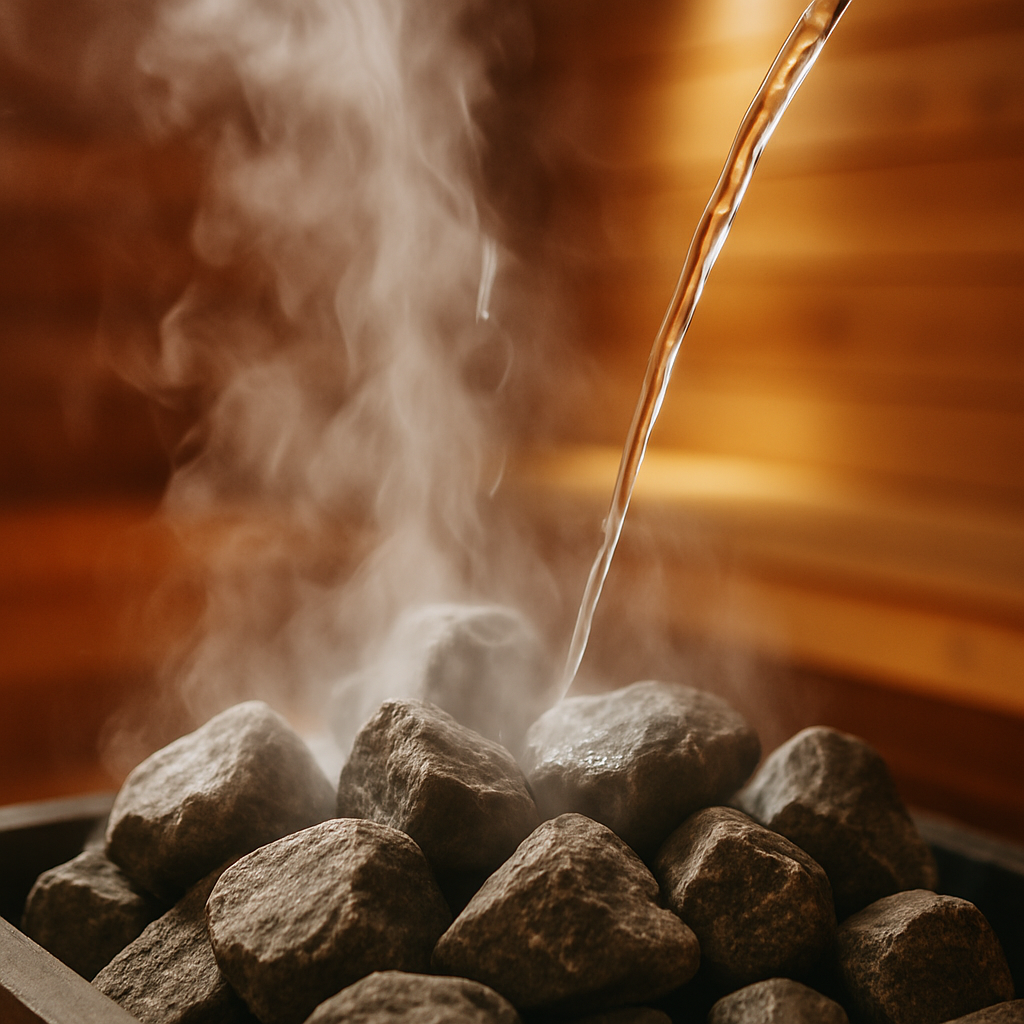
These proteins help protect cells from damage and are involved in the body's repair processes.
Scientists have found that heat therapy helps to reduce chronic inflammation in the body, which is the cause of many diseases. High temperatures stimulate the production of molecules that inhibit inflammation and reduce the amount of factors that support inflammatory processes.
Circulatory system and heart function
One of the most obvious effects of thermoregulation is the dilation of blood vessels (vasodilatation). This process allows blood to circulate more easily in the peripheral parts of the body, better supplying tissues with oxygen and nutrients. Sauna bathing increases the heart rate, similar to light to moderate exercise, which is why sauna treatments are sometimes referred to as „passive exercise”.
Regular heat treatments increase cardiovascular efficiency, improve blood circulation and lower blood pressure. Studies show that people who regularly use the sauna have a lower risk of cardiovascular disease. A long-term study in Finland showed that men who used a sauna 4-7 times a week had a 50% lower risk of heart disease than those who used the sauna only once a week.
Muscle relaxation and pain relief
The heat promotes muscle relaxation, reducing tension and stiffness. Sauna treatments are particularly useful after intense exercise or sports training. The effect of the heat improves blood circulation in the muscles, accelerates the removal of lactic acid and other metabolic products, thus speeding up muscle recovery.
For many people suffering from chronic pain, sauna treatments help to relieve unpleasant sensations. The thermal effect stimulates the body's release of painkillers and blocks the transmission of pain signals to the nervous system.
Sweating and detoxification
Sweating is the body's natural response to heat, allowing it to regulate body temperature. In a sauna, sweat production is significantly increased - between 0.5 and 1.5 litres of fluid can be lost per session. Sweat not only helps to cool the body but also flushes out various toxic substances.
Although the concept of detoxification is often overestimated, scientists acknowledge that sweat removes certain heavy metals (such as lead, cadmium, arsenic), bisphenol A and some other toxic compounds from the body. However, it is important to note that the liver and kidneys remain the main organs of detoxification, and sweating is only an additional component of this process.
Effects on the skin
The heat activates the skin's circulation, opens the pores and promotes the skin's natural cleansing. Intense sweating helps to remove dead skin cells, oil and dirt that can clog pores. This improves the appearance of the skin, reduces the likelihood of acne, and makes the skin more radiant and supple.
Regular sauna treatments improve skin condition, reduce inflammation and strengthen the skin's protective barrier. In addition, the heat stimulates collagen production, which slows down the ageing process and reduces the appearance of wrinkles.
Effects on metabolism
Heat treatments boost metabolism. The increase in body temperature forces the body to use more energy, so extra calories are burned in the sauna. Although this calorie count is not high (around 300-400 calories per hour), regular sauna use can contribute to overall energy intake and weight control.
It has also been observed that heat therapy can improve glucose tolerance and insulin sensitivity, which is particularly important for people prone to diabetes or metabolic syndrome.
Sauna and immunity: how to strengthen protection against disease?
One of the most common questions is whether a sauna can really boost our immunity and help us ward off disease. The answer lies in the complex mechanisms of our immunity and how heat affects them.
Effects of bathing on immune cells
Research shows that the controlled heat stress caused by sauna treatments has an immunomodulatory effect. Thermal stress stimulates the production and activity of white blood cells (leukocytes). In particular, there is an increase in the activity of natural killer cells (NK cells), which play an important role in the fight against viruses and cancer cells.
One of the interesting effects of sauna is the stimulation of heat shock protein (HSP) production. These proteins not only help to protect cells from stress, but are also involved in antigen presentation processes, thereby enhancing immune responses against pathogens.
Immune system training
Regular sauna treatments, especially when combined with contrasting treatments (such as cold showers or bathing in an ejecta after a sauna), act as a kind of immune system training. The alternation of heat and cold puts the body under controlled stress, to which it reacts by activating the immune system.
This „immunological training” makes the body more resilient and better equipped to fight real pathogens. This may be one of the reasons why regular sauna users are less likely to catch colds and get better faster.
Prevention of colds
Research in Finland has shown that people who regularly use saunas are less likely to get respiratory infections. This may be due to several factors. Firstly, increased body temperature creates an unfavourable environment for some viruses and bacteria. Secondly, the heat stimulates the secretion of mucus in the nasopharynx, which helps to eliminate pathogens.
The heat treatment also hydrates the airways, which reduces dryness and inflammation, and improves mucociliary clearance (the mechanism that removes germs and other particles from the airways).
Reducing inflammation and chronic diseases
Chronic inflammation is at the heart of many diseases, including cardiovascular, autoimmune and neurodegenerative diseases. Sauna treatments reduce markers of systemic inflammation such as C-reactive protein (CRB) and various cytokines.
Research in Germany shows that regular heat treatments can benefit people with rheumatoid arthritis, fibromyalgia and other chronic inflammatory diseases by reducing symptoms and improving quality of life.
Bathing and aromatherapy

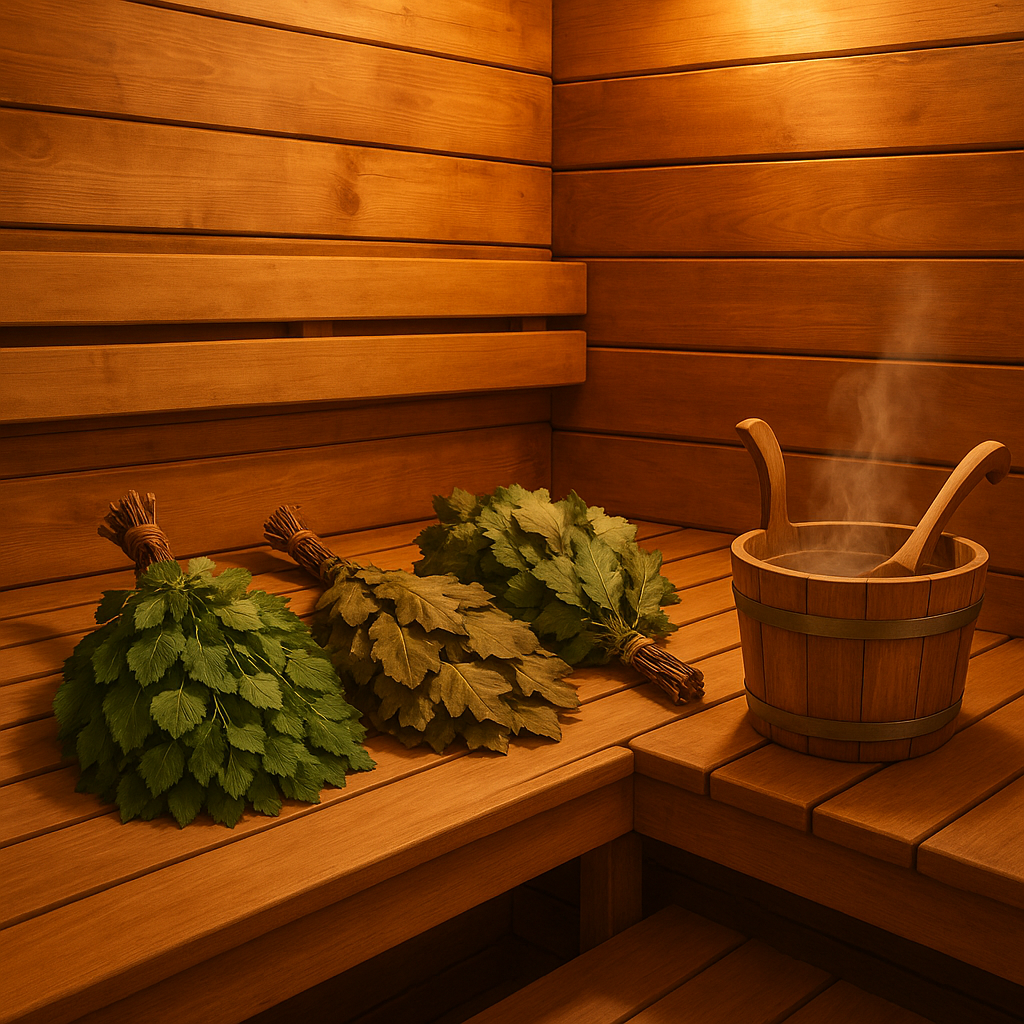
Traditional Lithuanian sauna treatments often include bathing - a gentle massage with special votives made from oak, birch, linden or other trees. This process not only improves blood circulation, but also adds aromatherapy elements to the sauna. The essential oils from the leaves of the trees have antibacterial and anti-inflammatory properties, and when inhaled with the steam, they can help cleanse the respiratory tract.
Vanta beats the body, activating tactile receptors and improving blood circulation in peripheral tissues, which enhances the overall effect of the sauna on immunity and well-being. Juniper, conifer and eucalyptus vantas have special properties and are often used to enhance respiratory health.
Effects of sauna on psychological health and emotional well-being
The benefits of a sauna go beyond physiological processes. Equally important is its impact on a person's psyche, mood and emotional state. Modern research is increasingly confirming what the peoples who cultivated the sauna culture knew intuitively: that heat heals not only the body, but also the soul.
Stress relief and relaxation
Sauna treatments activate the parasympathetic nervous system, which is responsible for relaxation and the „rest and recovery” state. The heat helps to reduce cortisol (the stress hormone) in the body and stimulates the release of endorphins, the natural hormones of happiness.
The feeling of calmness in the sauna is also associated with an increase in the production of serotonin and dopamine, neurotransmitters that regulate mood. The result of these biochemical changes is a state of deep relaxation, reduced anxiety and improved mood.
For many people, the sauna is a kind of meditation practice, where the warmth allows them to get away from the outside world, focus on their breathing and feel their body relax. These practices help to clear the mind of everyday worries and provide a break from information overload.
Improving sleep quality
Studies show that evening heat treatments can improve sleep quality. After a sauna, body temperature rises and then naturally falls as the body cools. This drop in temperature stimulates the production of melatonin, the sleep hormone, making it easier to fall asleep.
The muscle relaxation and stress relief experienced in the sauna also contribute to better sleep. People who regularly visit the sauna often find that they fall asleep faster, wake up less at night and feel more rested in the morning.
Social dimension and community
In Lithuania, as in other Nordic countries, the sauna has always been a place of social interaction, not just a means of hygiene or health. Sharing a sauna strengthens social bonds, encourages socialising and creates a sense of community.
Modern psychological research confirms that social ties and a sense of belonging to a group are among the most important components of mental health. Bath culture provides an opportunity to get away from screens and smart devices, to meet with friends or family and enjoy real, timeless socialising.
The link between psychological state and immunity
Psychoneuroendocrinology - the branch of science that studies the links between the nervous, endocrine and immune systems - is increasingly recognising the negative effects of stress on immune function. Chronic stress weakens the immune system and increases inflammatory processes in the body.
The stress reduction, endorphin release and general improvement in psychological well-being that sauna provides indirectly boosts the immune system. The psychological effects of sauna can be said to be another aspect of its benefits for immunity.
Different types of sauna and the differences in their effects
Sauna culture is diverse and rich around the world. Different nations have developed their own unique forms of heat therapy, varying in temperature, humidity, heating method and traditions. These differences also lead to different effects on the body.
Lithuanian sauna
A traditional Lithuanian sauna is characterised by a moderate temperature (around 60-80°C) and a moderate level of humidity. Heating is usually done using stone stoves, on which steam is generated by pouring water on the stones. A distinctive feature of the Lithuanian sauna is the use of birch, oak, linden or other trees for bathing.
This type of sauna is ideal for both cleansing the body through sweating and strengthening the respiratory tract. The bathing procedure improves blood and lymphatic circulation, activates receptors on the skin and provides a massage effect.
Finnish sauna
The Finnish sauna is characterised by its high temperature (80-100°C) and very low humidity (around 10-20%). Under these conditions, sweat evaporates quickly from the surface of the skin, so the sensation of temperature is less intense, even though the actual temperature is higher.
The body sweats profusely in dry weather, which is why the Finnish sauna is particularly effective for detoxification and boosting fat metabolism. It also strongly stimulates the cardiovascular system, resulting in a more pronounced „cardio workout” effect.
Russian bath
A Russian steam bath (banya) has a moderate temperature (60-70°C) but a very high humidity level (up to 70%). The high humidity level prevents sweat from evaporating quickly, so the sensation of heat is more intense than in a Finnish sauna, although the actual temperature is lower.
This type of sauna is particularly good for the skin and respiratory tract. The humid air moisturises the skin, softens dead cells and opens pores. Breathing moist air cleanses the airways more effectively and improves mucus secretion, which is particularly useful for people with chronic respiratory diseases.
Turkish hammam
Hamam is characterised by lower temperatures (around 40-50°C) and a humidity of almost 100%. Marble or other stone surfaces are used here, on which visitors lie while their bodies are warmed by the hot floors and walls.
This type of treatment puts less strain on the cardiovascular system, making it suitable for people with more sensitive bodies. The Hamam is excellent for cleansing the skin and relieving muscle tension. Traditionally, hamam baths involve scrubbing the body with special gloves, which enhances the cleansing effect on the skin.
Infrared sauna
This is the most modern form of sauna, where heat is generated not by heating the air but by infrared rays that directly heat the body. The temperature is lower (around 40-60°C) and the humidity level is the same as in the environment.
Infrared saunas put less strain on the cardiovascular system and may be more suitable for older people or those with health problems. Studies show that this form of sauna is effective in stimulating sweating and removing toxins, reducing muscle aches and improving circulation, although the effect on the respiratory tract is less than in traditional steam baths.
Which sauna is best for whom?
When choosing the type of sauna, it is worth taking into account individual needs and health conditions:
- Older people or those with cardiovascular problems may prefer saunas with lower temperatures and higher humidity (hamam, infrared sauna).
- Young people who are fit and healthy can benefit from more intensive treatments in a Finnish sauna or Lithuanian sauna.
- Those with respiratory problems may benefit from high humidity baths (Russian baths).
- For people with skin problems, hammam-type saunas with additional exfoliation treatments can help.
- For maximum detoxification, the Finnish sauna is recommended, as it is the most intense place to sweat.
Safety and contraindications: how to enjoy a sauna correctly and safely
Although saunas have many health benefits, it is important to know how to use them safely and which people should be cautious or avoid them altogether. Proper preparation and observance of safety rules will ensure maximum benefits and reduce potential risks.
Who should not go to the sauna?
Bathing is not safe for everyone. There are certain medical conditions that can be a contraindication to sauna treatments:
- People with uncontrolled hypertension (high blood pressure)
- Those with unstable angina or a recent heart attack
- For people with severe heart rhythm problems
- Pregnant women (especially in the first and third trimesters)
- For people with acute infectious diseases and fever
- For people with uncontrolled epilepsy
- For people with skin infections or open wounds
- After a recent injury or surgery
If you have any doubts about your health, it is always a good idea to consult your doctor before visiting a sauna. This is especially important for older people and those with chronic illnesses.
Tips for safe sauna use
Hydration. Drink enough water before, during and after your sauna session. During a sauna session, it is possible to lose a lot of fluids through sweat, so hydration is essential. It is recommended to drink at least 1-2 glasses of water before the session and more after each cycle.
Time management. Newcomers should start with short sessions (5-10 minutes) and gradually increase the time. Even experienced sauna users should not be in the sauna for more than 15-20 minutes at a time. Take breaks between cycles to allow the body to cool down.
Alcohol avoidance. Never consume alcohol before or during a sauna session. Alcohol increases the risk of dehydration and can interfere with the body's ability to regulate temperature, which increases the risk of heat stroke and fainting.
Proper cooling. After a sauna session, don't jump into a cold pool or ejecta. Allow your body to cool down gradually, especially if you are a beginner or have cardiovascular problems. Start with a cool shower before moving on to colder treatments if you feel comfortable.
Listen to your body. If you feel dizzy, nauseous, have a strong heartbeat or any other discomfort, leave the sauna immediately and cool down. These are signals that your body cannot cope with the heat.
Common mistakes and how to avoid them
Mistakes are often made during a sauna treatment, which can reduce the benefits or even harm your health:
- Eating before the sauna. Avoid eating too much 1-2 hours before the procedure. A full stomach diverts blood to the digestive system, which makes it harder for the body to regulate temperature.
- Wearing jewellery. Metal jewellery can get very hot and burn the skin.
- Intense exercise before sauna. If the body is already tired from intense sports, the additional heat stress may be too much.
- Dehydration. Insufficient fluid intake is the most common and dangerous mistake.
- Excessive exposure to hot environments. This can lead to overheating and heatstroke.
Avoid these mistakes and sauna treatments will not only be enjoyable, but also good for your health.
Hygiene and infection prevention
In a sauna, as in any other shared space, it is important to follow the rules of hygiene:
- Always take a shower before entering the sauna.
- Sit on a towel or special mat, and do not use wooden sauna surfaces directly on the skin.
- Use a personal bath or other sauna equipment.
- After the sauna, wash with soap to wash away sweat and bacteria.
- Wear slippers when visiting public baths to avoid fungal infections.
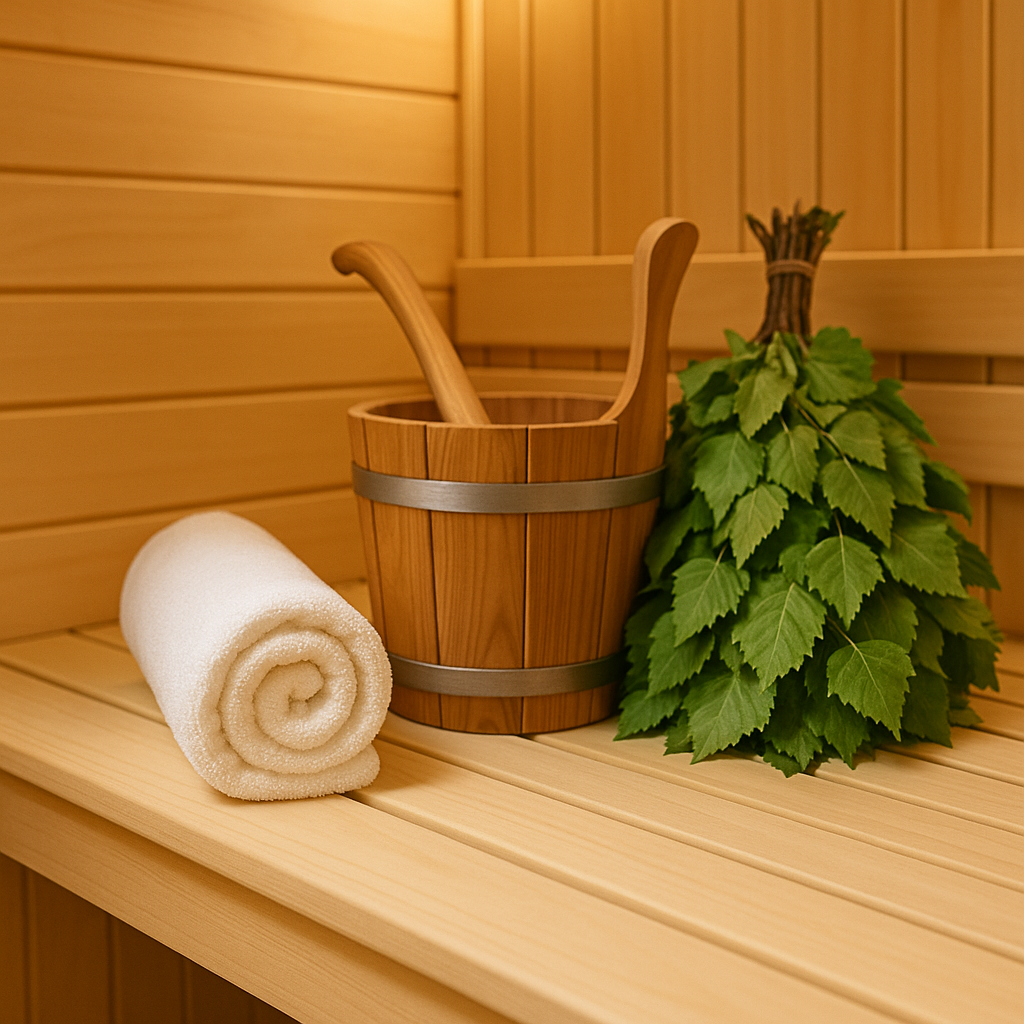
By following these simple hygiene rules, you will reduce the risk of contracting various infections and ensure a safe sauna experience.
What symptoms signal the immediate termination of the procedure?
Recognise the danger signs that indicate you need to leave the sauna immediately:
- Dizziness or fainting
- Strong, unusual heartbeat
- Nausea or vomiting
- Chest pain or pressure
- Severe headache
- Impaired or difficult breathing
- Sudden loss of coordination
If you notice any of these symptoms, you should leave the sauna immediately, cool down and seek medical attention if the symptoms persist.
Conclusions: the benefits of sauna and its place in a healthy lifestyle
A sauna is more than just a source of pleasure or a cultural tradition. It is a holistic health practice that has a positive effect on various body systems. Regular sauna use can improve blood circulation, strengthen the cardiovascular system, facilitate muscle relaxation, help remove toxins through sweating and have a positive effect on mental health.
The effect on immunity is one of the most important aspects of the benefits of sauna. Controlled heat stress stimulates white blood cell activity, increases the production of heat shock proteins and improves the body's ability to fight infections. Studies show that regular sauna users are less likely to catch colds, recover faster and have better overall immune function.
However, it is important to note that a sauna is not a panacea or a miracle cure. It should be seen as a complementary tool, integrated into a healthy lifestyle that includes a balanced diet, sufficient physical activity, quality sleep and stress management.
Individual health characteristics and contraindications must also be taken into account. Not everyone finds sauna bathing beneficial or safe, so it is advisable to consult a doctor before using it regularly, especially for those with health problems.
The culture of the sauna is a legacy of our ancestors, the value of which is confirmed today by science. When practiced properly and safely, it can become an important element of a healthy lifestyle, helping to strengthen the body, improve well-being and maintain immunity. Especially in today's stressful world, where we are constantly exposed to environmental pollution, the traditional wisdom of the bath takes on a new meaning and relevance.
FAQ - Frequently Asked Questions
1. How often should I visit the sauna for best health results?
The optimal frequency is 2-4 times a week. Studies show that this regimen provides the greatest cardiovascular and immune benefits. Everyone should adapt this frequency to their own health and well-being, and those with health problems should consult their doctor before starting regular treatments.
2. Does sauna help prevent colds and flu?
Regular sauna use is associated with a lower incidence of colds. This is due to an increase in the number and activity of white blood cells, improved irrigation of the mucous membranes in the respiratory tract, and a reduction in inflammatory markers in the body. Studies show that people who regularly use a sauna have up to 30% lower risk of respiratory infections.
3. Is it safe for people with heart problems to use the sauna?
Sauna treatments are not safe for all heart conditions. People with stable heart disease, controlled hypertension and no acute symptoms may benefit from sauna treatments, but should consult a cardiologist. For people with unstable angina, a recent heart attack or uncontrolled hypertension, sauna can be dangerous and should be avoided.
4. Can sauna help with skin conditions?
Sauna can be beneficial for some skin conditions due to improved circulation, natural cleansing and detoxification. It can help those suffering from psoriasis, eczema or acne, as the heat and humidity open the pores, remove dead cells and improve skin hydration. However, for acute inflammatory skin conditions, infections or open wounds, bathing should be avoided, as the heat can worsen symptoms.
5. What are the most important safety tips for sauna novices?
Start with short sessions (5-10 minutes), drink plenty of water before, during and after the treatment, avoid alcohol, allow your body to gradually adapt to the high temperature, take breaks between cycles and always listen to your body - if you feel dizzy, nauseous or have a strong heartbeat, leave the sauna immediately. Newcomers should also choose saunas with lower temperatures and gradually move to hotter ones.