
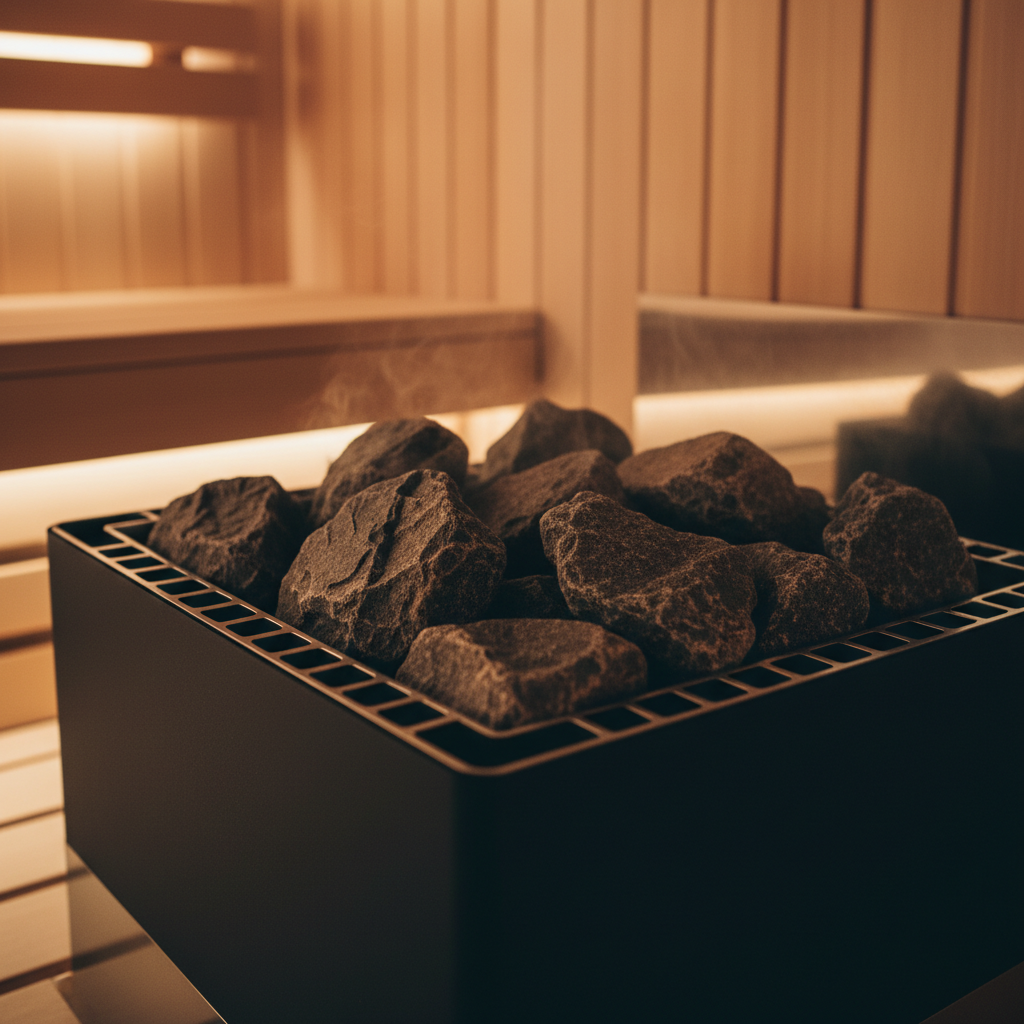
The Ultimate Guide: How to Choose the Best Sauna Stones (And Which Ones Are Right for Your Stove)?
A sauna is not only a ritual, but also a science. And the key to success lies where we least expect it: in the right sauna stones. The stones are the heart and soul of a sauna, responsible for storing heat and creating soft, rich steam. If you are planning to build a new sauna or simply want to upgrade your old sauna stove, this guide will help you choose the best sauna stones that will last a long time and ensure a flawless sauna experience. Why is Stone Quality Most Important for a Sauna Stove? More than 80% of the pleasure of a sauna depends on the quality of the steam, and it is directly determined by the sauna stones. Poor-quality, porous or improperly selected stones can not only store heat poorly, but also pose a danger - they can split and crumble, which is especially dangerous for electric stoves. How to Choose Sauna Stones: Key Criteria When choosing sauna stones, always consider three essential factors: The Most Popular Types of Sauna Stones (And Their Benefits) There are many different options on the market, but only a few types are considered the best. Let's take a look at the most popular types of sauna stones: Olivine Diabase Stones Olivine diabase is the benchmark choice and is often mentioned as the most reliable sauna stones. Why? They have extremely high density, excellent heat capacity and are almost non-porous. They rarely crack and withstand thousands of temperature cycles, making them perfect for both electric and wood-burning stoves. It is because of these properties that olivine diabase stones are recommended by many sauna specialists. Vulcanite and Peridotite These are great alternatives, also characterized by high density. Vulcanite (or loose) is easily recognized by its dark color and coarse structure. They absorb and release heat effectively. However, when choosing these stones for a sauna, always make sure that they are specially treated and designed for sauna stoves. Which Stones Are Suitable for Your Stove? It is important that your choice matches the type of stove. Although all good sauna stones are suitable for a wood-burning stove, electric stoves have specific requirements. Sauna Stones for an Electric Stove An electric stove requires stones that are particularly dense and do not emit any dust or sediment. Small stone particles that crumble due to thermal stress can damage the stove's heating elements. Sauna Stones for a Wood-Burning Stove For a wood-burning stove, you can use slightly larger stones (5–10 cm). They can be laid more densely, since the bottom of the stove usually does not heat up as intensely as the heating elements of an electric stove. Large stones help to accumulate a large heat reserve. Maintenance and Price of Sauna Stones Even the best sauna stones wear out over time. The stones should be re-selected at least once a year. Remove broken, cracked or dusty stones and replace them with new ones. Such maintenance will guarantee the quality of the steam and protect the stove. The price of sauna stones depends on their type and processing. The highest quality diabase or peridotite stones are more expensive, but their durability pays off. By investing in quality stones, you are investing in the comfort and safety of your sauna. With the right choice of sauna stones and regular maintenance, you will be able to enjoy impeccable steam and a great relaxation ritual for many years. Most importantly, remember the criteria – density, resistance and suitability for your stove! Frequently Asked Questions (FAQ) When should you change sauna stones? Most professional stones (e.g. olivine diabase) should last 3-5 years, depending on the intensity of use. Do you feel that the stove heats up faster, but the quality of the steam is deteriorating, and the stones look dusty or cracked? This is a sign that it is time to change at least some of the stones. Can I collect sauna stones myself in nature? It is categorically not recommended. Stones collected from rivers or fields may contain minerals that emit harmful gases when heated (e.g. limestone), or have pores where the moisture in them, if evaporated suddenly, can cause the stone to explode in the sauna. Always use specialized, certified sauna stones. What is the optimal size of the stones and how to properly place them in the stove? For electric stoves, the optimal size is 4–8 cm. For wood-burning stoves – 5–10 cm. The rule of composition: place larger, stronger stones at the bottom to ensure stability and allow air to circulate. Place smaller ones on top, which are better suited for pouring water. The stones should not be placed too densely, as this blocks the flow of hot air.
